
Medically reviewed by Mr Shivram Singh MBBS, FRCSI, FRCS (Plast), Medical Director & Lead,
Medical Advisory Committee for Manchester Private Hospital
Last Reviewed December 15th 2025
This Article Covers:
- Why Nose Shape Matters in Facial Aesthetics
- How Surgeons Classify Different Types of Noses
- Common Types of Nose Shapes Explained
- Nose Shape Variations and Structural Differences
- Ethnic and Genetic Influences on Nose Shape
- Can Nose Shape Change Over Time?
- How Nose Type Affects Rhinoplasty Planning
- When to Consider a Rhinoplasty Consultation
- What to Expect During a Rhinoplasty Assessment at MPH
- Frequently Asked Questions
- Conclusion
The nose sits at the centre of the face, playing a major role in overall facial balance and profile. While many people focus on individual features such as the tip or bridge, surgeons look at the nose as part of a wider facial picture.
In reality, there is no single “ideal” nose shape. Human noses vary naturally in size, structure and shape, influenced by genetics, ethnicity, age and even past injuries. Understanding the different types of noses and nose shape variations can help you better appreciate your own features — and make informed decisions if you are considering rhinoplasty.
This guide explains common nose types, why shapes vary, and how surgeons assess noses from an aesthetic and functional perspective.
Why Nose Shape Matters in Facial Aesthetics
The nose connects the upper and lower face, linking the eyes, cheeks, lips and chin. Even subtle differences in nasal shape can influence how balanced or harmonious the face appears.
From a surgical perspective, it’s not about creating a “perfect” nose, but one that:
- Fits naturally with your facial proportions
- Looks balanced from both the front and side
- Preserves character and individuality
A nose that suits one face may look completely out of place on another. This is why expert assessment focuses on harmony rather than copying a standard shape.
How Surgeons Classify Different Types of Noses
Surgeons classify nose types based on a combination of:
- Bone structure
- Cartilage shape and strength
- Skin thickness
- Tip position and projection
These classifications are guides, not rigid categories. Many people have features that overlap multiple nose types, which is entirely normal. Understanding nose type simply helps surgeons plan safe, natural-looking outcomes when surgery is considered.
Common Types of Nose Shapes Explained
Below are some of the most commonly discussed different nose shapes, explained in a simple, non-judgemental way.
Straight Nose
A straight nose has a smooth bridge with little to no curve. Straight noses are often considered naturally balanced and tend to suit a wide range of facial shapes.

Roman / Romanesque Nose
The roman nose type, also known as a romanesque nose, features a prominent or slightly curved bridge. The roman nose shape is often associated with a strong profile and defined facial character.
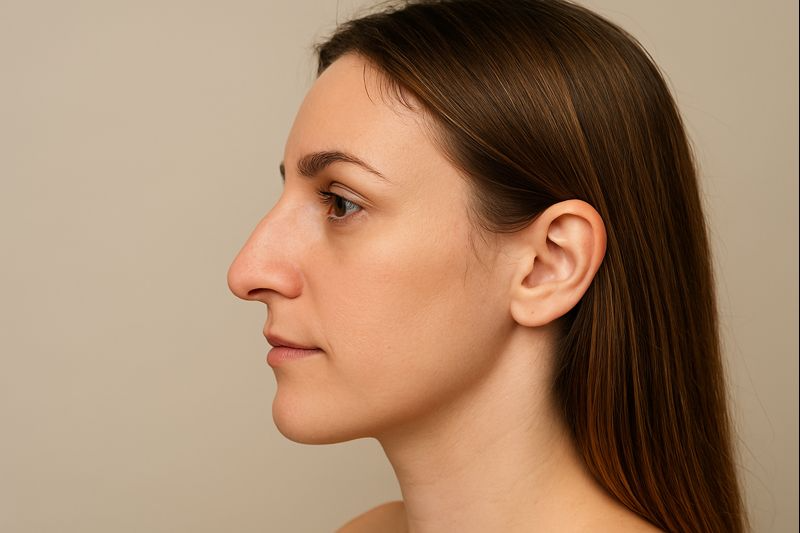
Grecian Nose
A grecian nose is characterised by a straight line running from the forehead to the tip, creating a clean, classical profile often associated with symmetry.
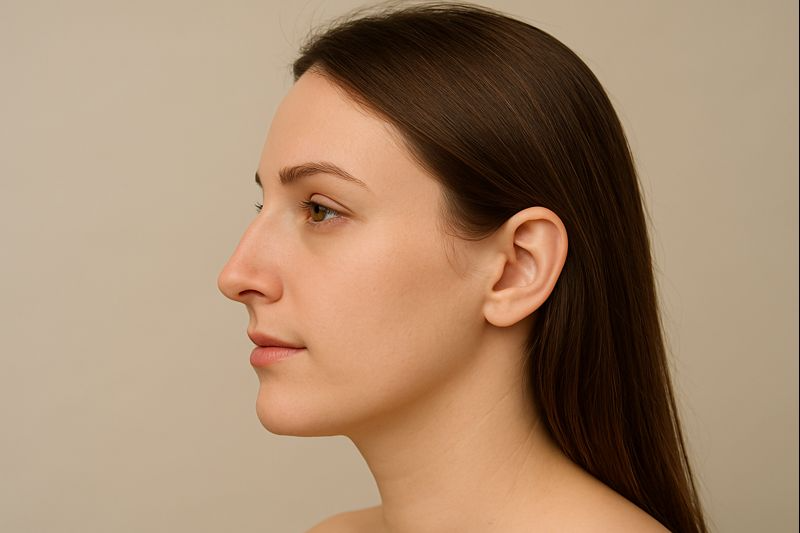
Arched / Hawk Nose
An arched nose or hawk nose typically shows a noticeable curve along the bridge, sometimes combined with a downward-pointing tip. This shape often creates a bold side profile.
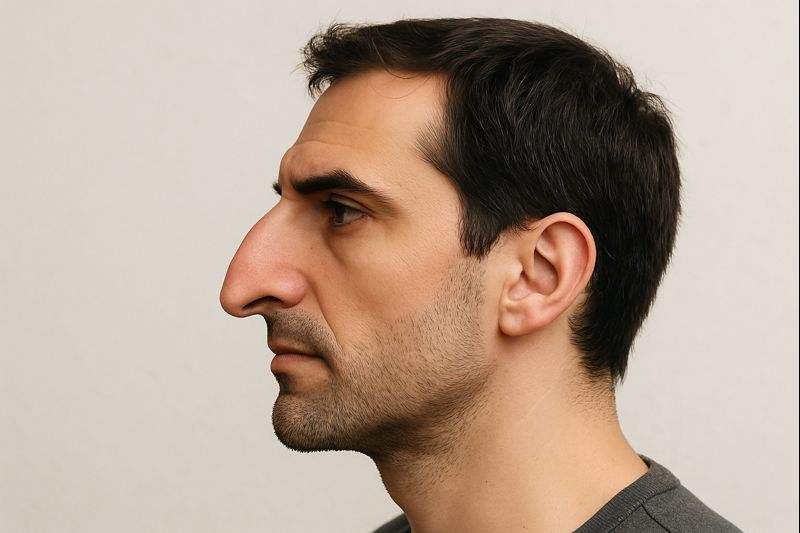
Button Nose
A button nose is small with a rounded tip and softer contours. This shape is commonly associated with youthfulness and may also be described when referring to small noses.
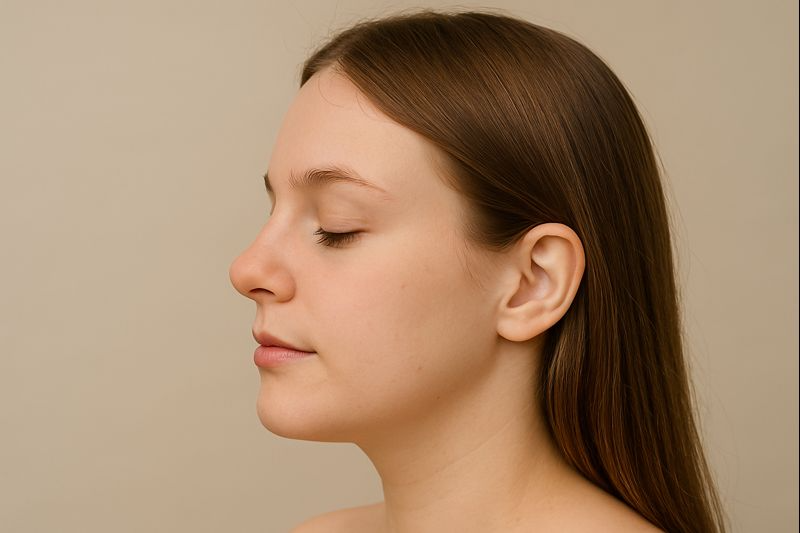
Upturned / Celestial Nose
An upturned nose, sometimes called a celestial nose, has a slightly lifted tip, making the nostrils more visible from the front. This shape can give a light, delicate appearance depending on facial structure.

Nubian Nose
A nubian nose usually has a longer bridge and a wider base. This is a naturally occurring shape often influenced by genetics and ethnicity, and modern aesthetic approaches focus on enhancement rather than alteration.
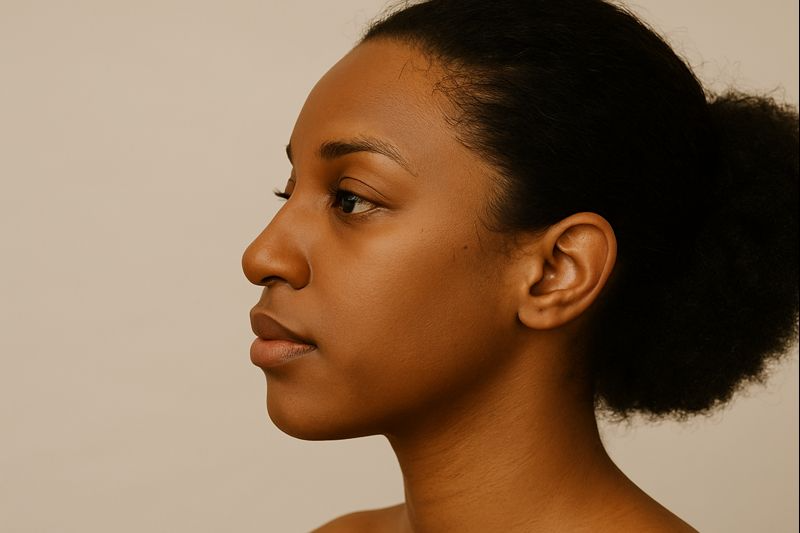
Flat Nose
Flat noses typically have a lower bridge and wider nasal base. This shape is common across many populations and varies significantly in structure and proportion.
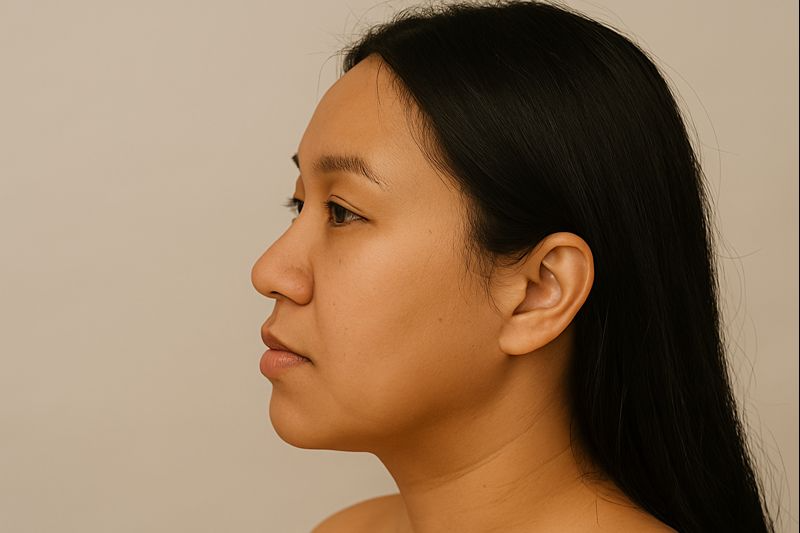
Pointed Nose
A pointed nose has a sharper, narrower tip. The appearance of this shape often depends on cartilage strength and skin thickness.
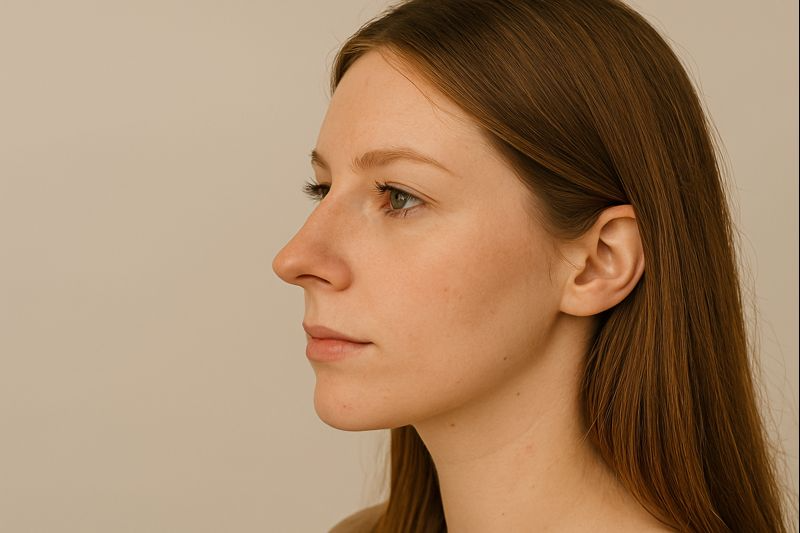
Fleshy or Fat Nose
A fleshy nose or fat nose refers to thicker skin and softer tip definition. While the underlying structure may be strong, skin thickness plays a major role in how the nose appears.
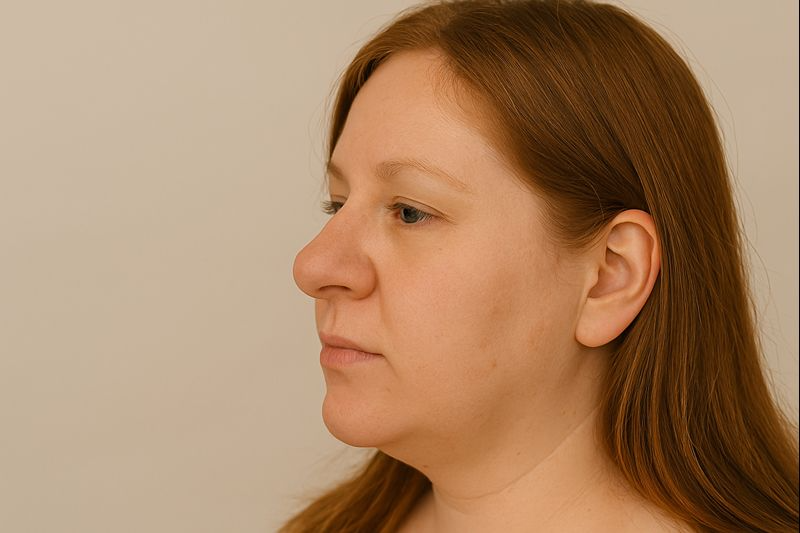
Retrousse Nose
A retrousse nose is short with an upturned tip. It often overlaps with button or celestial nose characteristics and is commonly seen in youthful facial profiles.

Nose Shape Variations and Structural Differences
Beyond named nose types, noses vary in many structural ways, including:
- Wide vs narrow nasal bridges
- Long vs short nasal length
- High vs low bridge height
- Crooked or asymmetrical noses
Asymmetry is extremely common and often subtle. Trauma, developmental differences, or previous surgery can all influence nasal alignment.
For patients concerned about width or proportion, specialist techniques such as rhinoplasty for a wide nose can help refine shape while preserving natural balance.
Ethnic and Genetic Influences on Nose Shape
Genetics play a major role in determining nose shape. Different populations naturally display variations in bridge height, width, tip shape and nostril size.
Modern rhinoplasty respects these differences. Rather than aiming to “standardise” noses, surgeons focus on enhancing natural features while preserving ethnic identity and personal character.
Can Nose Shape Change Over Time?
Yes, nose shape can change gradually due to:
- Ageing, which can cause cartilage to weaken and the tip to droop
- Skin changes and loss of elasticity
- Injury or trauma
- Structural changes affecting breathing
If changes are sudden, painful, or affect breathing, medical assessment is always recommended.
How Nose Type Affects Rhinoplasty Planning
There is no one-size-fits-all approach to rhinoplasty. Nose type influences:
- Whether open or closed rhinoplasty is suitable
- How much cartilage support is needed
- Tip refinement techniques
- Functional considerations such as airflow and septal alignment
The goal is always to achieve a result that looks natural, functions well, and complements the face. There are several surgical approaches available, and understanding the different types of rhinoplasty can help patients feel more confident when discussing options during consultation.
Depending on your nose structure and goals, your surgeon may recommend an open or closed approach — you can learn more about the differences between open and closed rhinoplasty and when each technique is used.
When to Consider a Rhinoplasty Consultation
You may consider a consultation if:
- You feel your nose dominates or disrupts facial balance
- You have breathing difficulties or nasal obstruction
- Your nose has changed due to injury or ageing
- You want professional advice, even if you are unsure about surgery
A consultation is about information and clarity, not pressure. If you’re considering treatment, a consultation for nose surgery allows a specialist to assess both appearance and breathing function in detail.
What to Expect During a Rhinoplasty Assessment at MPH
At Manchester Private Hospital, a rhinoplasty assessment typically includes:
- Facial and nasal analysis
- Assessment of bone, cartilage and skin
- Discussion of cosmetic and functional goals
- Explanation of realistic outcomes
- Personalised treatment planning
This ensures decisions are informed, safe and tailored to you.
Frequently Asked Questions
Is one nose shape better than another?
No. All nose shapes are normal. Balance and harmony matter more than shape labels.
Can rhinoplasty completely change my nose type?
Surgery can refine features, but results should still look natural and suit your face.
Does nose shape affect breathing?
Yes, internal structure and alignment can influence airflow and function.
Will results look natural?
When planned correctly, rhinoplasty results should look subtle and in proportion.
Does nose shape affect facial balance?
Yes. Because the nose sits at the centre of the face, its shape and size can influence how balanced the facial features appear, especially from the side profile.
When should I consider a rhinoplasty consultation?
You may consider a consultation if you’re unhappy with your nose’s appearance, have breathing difficulties, or simply want expert advice about your options.
How do surgeons decide what nose shape suits someone?
Surgeons assess facial proportions, nasal structure, skin thickness, and breathing function. The aim is to create a result that complements the rest of the face.
Conclusion
There are many different types of noses, and every shape is part of natural human variation. Understanding different nose shapes can help you appreciate your own features and make informed decisions if you explore treatment options.
Whether your interest is purely educational or you’re considering rhinoplasty, expert advice ensures that any changes respect your natural structure and facial harmony.
If you’d like to explore your options, a consultation with an experienced rhinoplasty surgeon can provide clarity, reassurance and personalised guidance.
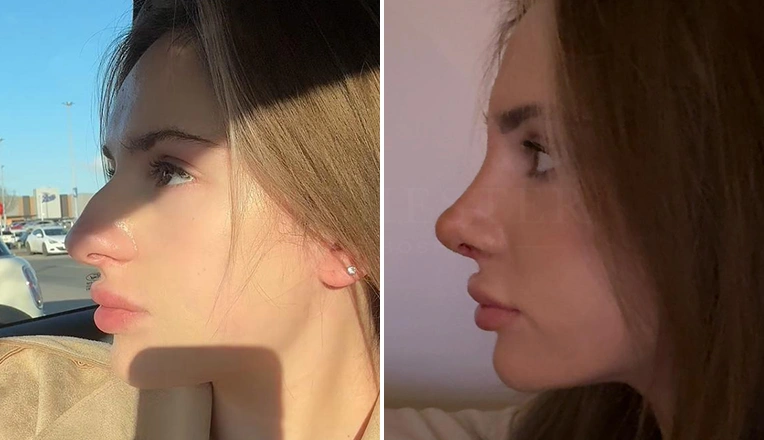
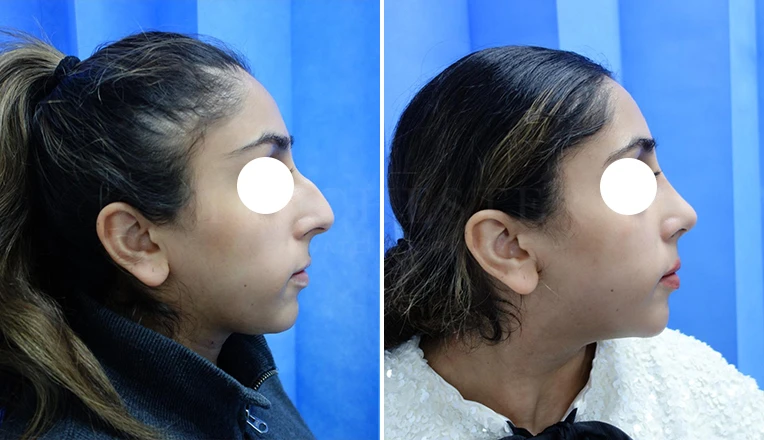
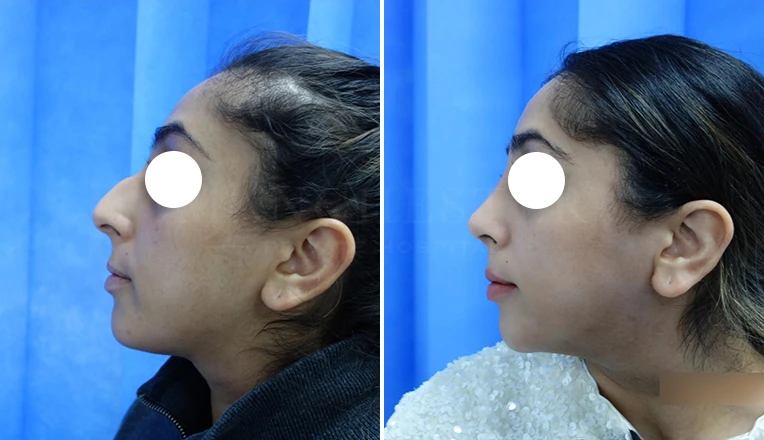
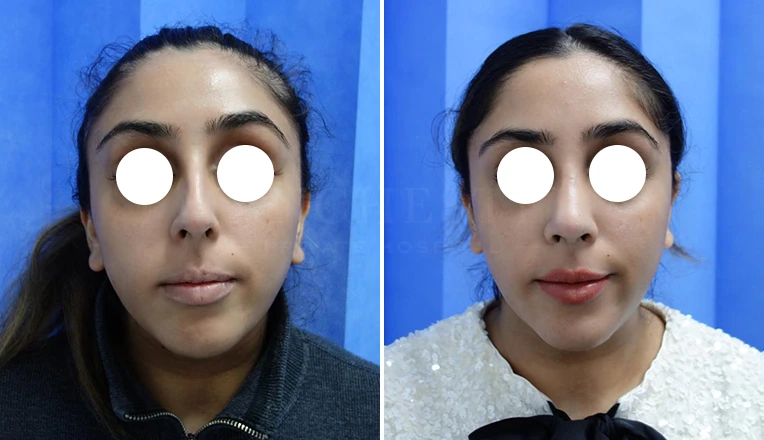
Rhinoplasty Before and After Gallery

Read Our Patient Reviews
Explore our reviews made by real patients
Meet Our Expert Surgeons
Get to know our highly experienced surgeons
Consultation Locations
We offer Consultations from a number of locations around the UK
Prices and finance
We have partnered with Chrysalis Finance, allowing patients to apply for cosmetic surgery finance for all our procedures







Consultation Locations
Manchester Hospital
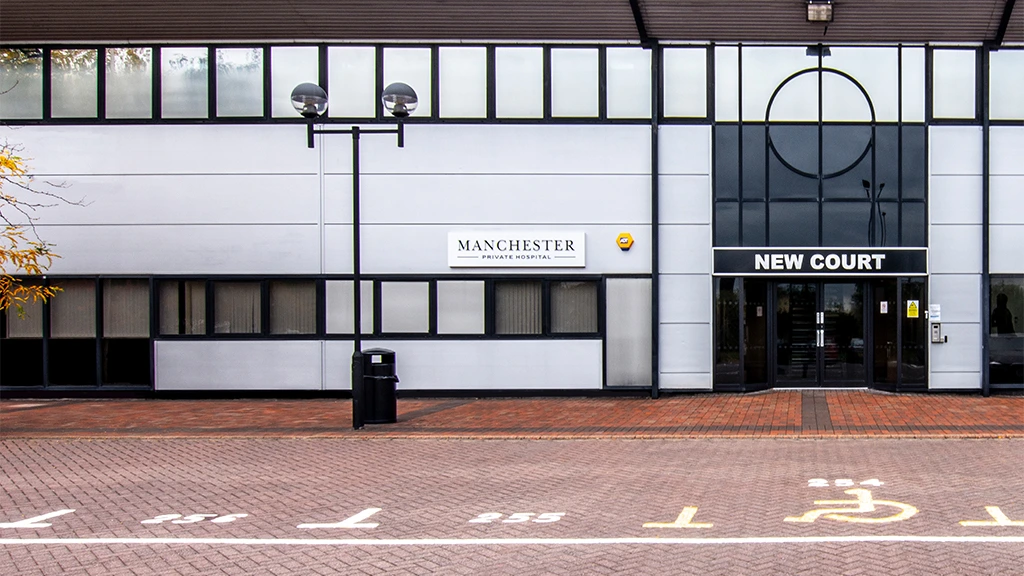
Manchester Private Hospital New Court, Regents Place, Windsor
Street Salford, Greater Manchester, M5 4HB.