
Medically reviewed by Mr Shivram Singh MBBS, FRCSI, FRCS (Plast), Medical Director & Lead,
Medical Advisory Committee for Manchester Private Hospital
Last Reviewed August 7th 2026
This Article Covers:
- Why Does the Belly Button Matter in a Tummy Tuck?
- What Happens to the Belly Button During a Full Tummy Tuck?
- Is a New Belly Button Created After Tummy Tuck Surgery?
- Will I Have a Belly Button Scar After a Tummy Tuck?
- What Can Affect Belly Button Appearance After a Tummy Tuck?
- Mini Tummy Tuck and the Belly Button: Is It Different?
- Belly Button Plastic Surgery: Is This Part of a Tummy Tuck?
- What About the Mons Area After Tummy Tuck?
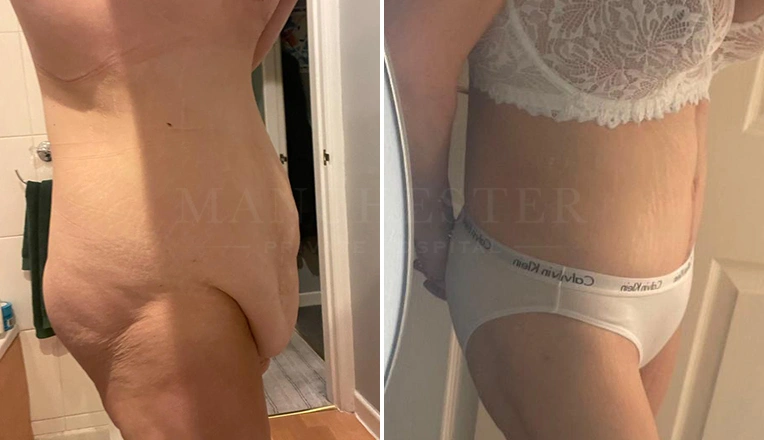
- Tummy Tuck Belly Button Before and After Photos: What to Look For
- How Does the Belly Button Heal After Tummy Tuck Surgery?
- What Questions Should I Ask About My Belly Button During Consultation?
- When to Contact the Hospital After Surgery
- Why Choose Manchester Private Hospital for Tummy Tuck Surgery?
- FAQs
- Final Thoughts
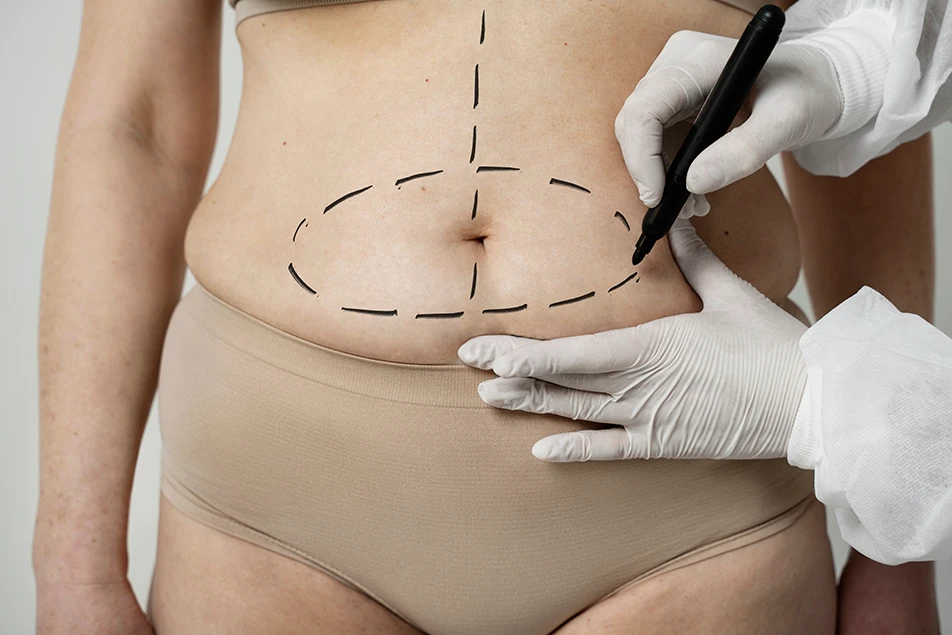
Questions about the tummy tuck belly button are very common before abdominoplasty. The belly button sits at the centre of the abdomen, so even small changes to its shape, position or scarring can affect how natural the final abdominal contour looks.
Many people worry about whether the belly button is removed, moved, reshaped or replaced during surgery. Others want to understand what a belly button after tummy tuck surgery may look like, how visible the scar might be, and why some online results look different from others.
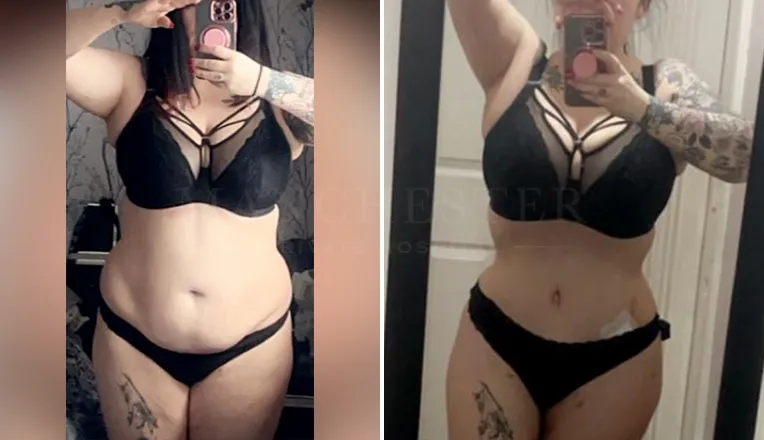
The answer depends on the type of tummy tuck being performed, the amount of loose skin, your existing anatomy, previous scars, skin quality and the surgeon’s technique. A full tummy tuck and a mini tummy tuck can involve the belly button in different ways, so an individual clinical assessment is needed before anyone can explain what is likely in your case.
This guide explains what can happen to the belly button during tummy tuck surgery, what affects healing, and what to ask during your consultation.
A consultation for tummy tuck surgery in Manchester can help explain whether a full or mini tummy tuck may be more appropriate and what may happen to the belly button during surgery.
Why Does the Belly Button Matter in a Tummy Tuck?
The belly button is a small feature, but it plays an important role in the overall appearance of the abdomen. When the abdominal skin is tightened during tummy tuck surgery, the position and shape of the belly button need to be considered carefully so the result looks balanced with the rest of the tummy.
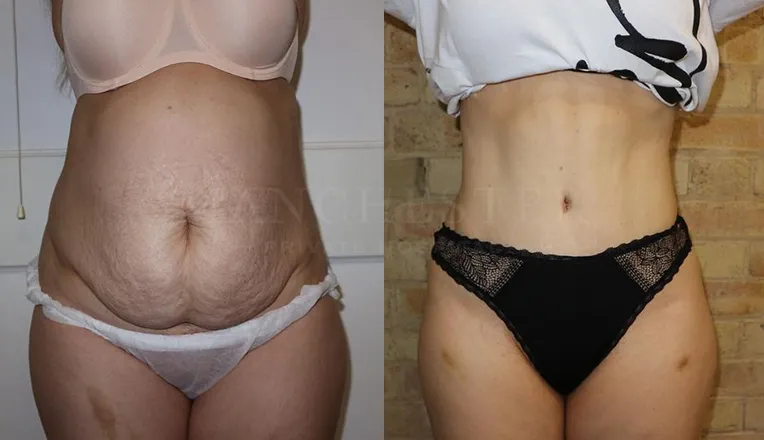
For some patients, the main concern is loose skin or a lower abdominal overhang. However, after surgery, the eye is often drawn to the centre of the abdomen. This is why the appearance of the abdominoplasty belly button can make a noticeable difference to how natural the result feels.
Patients may worry that the belly button will look too round, too stretched, too high, too low, or visibly scarred. These are reasonable concerns to raise during consultation. The right plan should consider the whole abdomen, including the lower tummy, waist, skin tension, scar placement and belly button position.
What Happens to the Belly Button During a Full Tummy Tuck?
During many full tummy tuck procedures, the original belly button remains attached to the deeper abdominal wall. The skin around it is lifted and repositioned as part of the abdominal tightening process.
In simple terms, the surgeon removes excess lower abdominal skin and pulls the remaining skin down. Because the belly button usually stays in its original deeper position, a new opening is made in the tightened skin so the belly button can be brought through.
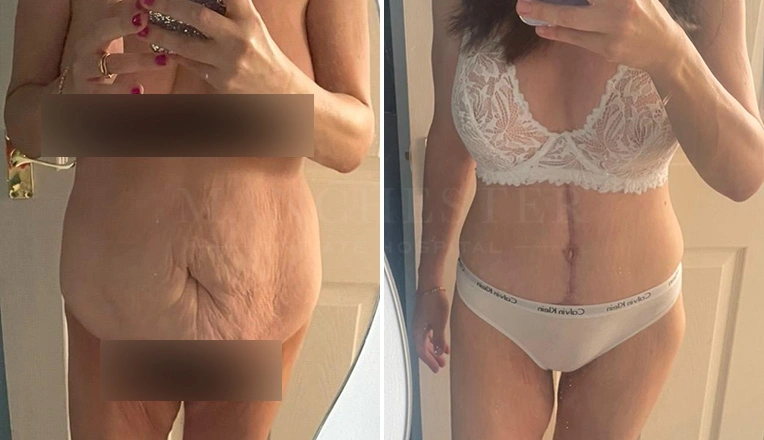
This is why some people describe having a new belly button after tummy tuck surgery. In many cases, the belly button itself is not completely new. Instead, the original belly button is brought through a new opening in the repositioned skin.
The visible appearance can still change. The surrounding skin is tighter, the opening may be reshaped, and the scar around the belly button needs time to heal. Swelling and scar maturation can also affect how the belly button looks in the months after surgery.
Is a New Belly Button Created After Tummy Tuck Surgery?
People often use the phrase “new belly button” when talking about tummy tuck surgery, but it is not always accurate in a literal sense.
In many full abdominoplasty procedures, the original belly button is preserved underneath the skin. What changes is the skin around it. Once the abdominal skin is tightened, the surgeon creates an opening in the new skin position and brings the belly button through.
This does not necessarily mean the original belly button has been removed. It usually means the visible opening has been adjusted to suit the new abdominal contour.
The final look depends on several factors, including your natural anatomy, how much skin is removed, how the skin heals, and the technique used. During your consultation, your surgeon can explain whether your belly button is likely to be repositioned, reshaped or left largely unchanged.
Will I Have a Belly Button Scar After a Tummy Tuck?
A scar around or within the belly button area can occur after a full tummy tuck. Surgeons usually aim to place this scar as discreetly as possible, often around the edge or inside the natural fold of the belly button.
Scar visibility varies between patients. Skin tone, genetics, previous scarring, wound healing, aftercare and scar care can all influence how the scar settles. In the early stages, the area may look red, raised, tight or swollen. This can improve gradually, but scars usually take months to mature.
You should be given personalised aftercare instructions after surgery. This may include advice about keeping the area clean, avoiding pressure, attending dressing changes and using scar-care products only when advised by your clinical team.
What Can Affect Belly Button Appearance After a Tummy Tuck?
The appearance of the belly button after surgery is influenced by more than the surgical technique alone. Healing is individual, and two patients having the same type of procedure can still heal differently.
Factors that can affect the final appearance include:
- your natural belly button shape before surgery
- the amount of loose abdominal skin
- skin thickness and elasticity
- previous abdominal scars
- scar healing response
- swelling during recovery
- whether a full or mini tummy tuck is performed
- whether abdominal muscle repair is included
- post-operative wound care
- smoking status and general health
- following aftercare instructions
Tummy tuck before and after photos can be useful for understanding possible changes, but they cannot confirm what your own result will look like. A consultation gives a more accurate understanding of what may be achievable for your anatomy.
Mini Tummy Tuck and the Belly Button: Is It Different?
A mini tummy tuck usually focuses on the lower abdomen below the belly button. In some cases, the belly button does not need to be repositioned because the treatment area is limited to the lower tummy.
This is one of the differences between a mini tummy tuck and a full tummy tuck. However, not everyone is suitable for a mini procedure. If loose skin extends above the belly button, or if there is more significant abdominal laxity, a full tummy tuck may be more appropriate.
The right approach depends on where the loose skin sits, how much skin needs to be removed, whether muscle repair is required, and what result is realistically achievable.
You can explore mini tummy tuck options to understand how this procedure may address lower abdominal loose skin in suitable patients without necessarily repositioning the belly button.
Belly Button Plastic Surgery: Is This Part of a Tummy Tuck?
Some patients search for belly button plastic surgery because they are concerned about the shape, size or appearance of their navel. In the context of a tummy tuck, belly button reshaping may form part of the surgical planning.
This does not mean it should be treated as a simple cosmetic add-on. The belly button needs to sit naturally within the new abdominal contour. If the skin is pulled too tightly, if the opening is poorly positioned, or if healing is difficult, the result may look less natural.
During tummy tuck planning, your surgeon should assess the abdomen as a whole. This includes the lower tummy, waist, skin excess, scar placement, abdominal wall and belly button. If you have specific concerns about navel shape or scarring, these should be discussed before surgery.
What About the Mons Area After Tummy Tuck?
The mons area after tummy tuck surgery is another concern some patients ask about. The mons area sits below the lower abdomen, above the pubic region. Because tummy tuck surgery tightens the lower abdominal skin, changes in swelling, tension and contour can make this area feel more noticeable during recovery.
For some patients, the mons area may look fuller temporarily because of swelling. Others may already have fullness in this area before surgery, which may need separate assessment. A tummy tuck does not automatically treat the mons area unless this has been included in the surgical plan.
This is a sensitive topic, but it is appropriate to discuss during consultation. Your surgeon can explain whether your lower abdominal contour, scar position or mons area may be affected by surgery and whether any additional treatment is suitable.
Tummy Tuck Belly Button Before and After Photos: What to Look For
Before and after photos can help you understand how the abdomen and belly button may change after surgery. They are most useful when reviewed carefully and realistically.
When looking at tummy tuck results, consider:
- belly button position
- shape and depth
- scar visibility
- overall abdominal contour
- lower tummy improvement
- symmetry
- how natural the result looks for that patient’s body
- how long after surgery the photo was taken
Early post-operative photos may show swelling, redness, bruising or tightness. These do not always reflect the final result. It can take time for the abdomen, belly button and scars to settle.
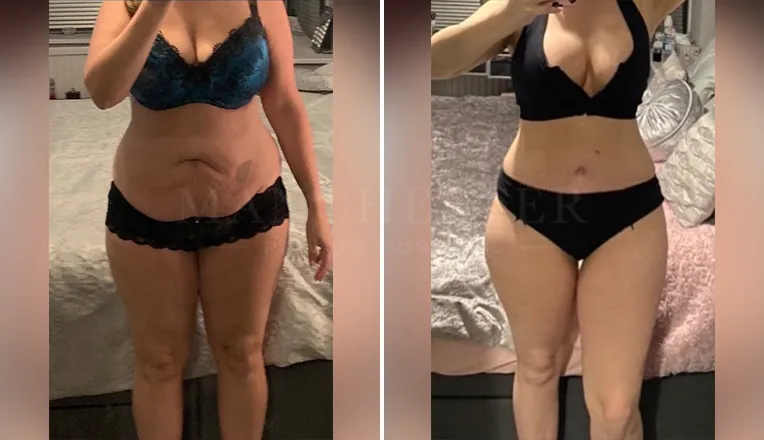
You can view our tummy tuck before and after photos to see how abdominal contour, lower tummy shape and belly button appearance may change in suitable patients.
How Does the Belly Button Heal After Tummy Tuck Surgery?
Healing around the belly button takes time. In the first few weeks, the area may feel tender, tight or swollen. The scar may look more visible at first and can change gradually as the tissue settles.
Your clinical team may provide dressings or wound care guidance, depending on your procedure and healing progress. You should avoid picking at scabs, applying unapproved creams or pulling at the skin around the belly button.
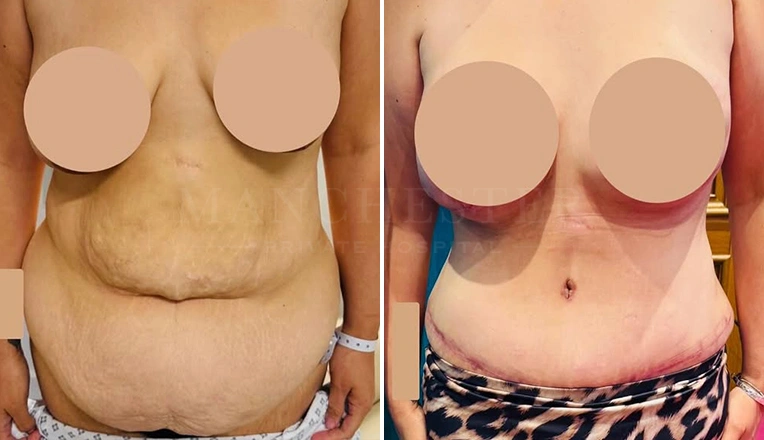
General recovery guidance may include:
- keeping dressings clean and dry as advised
- attending follow-up appointments
- avoiding unnecessary pressure on the abdomen
- wearing compression garments if recommended
- avoiding strenuous activity until cleared
- contacting the hospital if you are concerned
Healing does not happen at the same pace for everyone. If something does not feel right, it is better to contact your clinical team than to wait and worry.
What Questions Should I Ask About My Belly Button During Consultation?
A good consultation should give you time to ask direct questions about your expected result, including belly button appearance. You do not need to feel embarrassed about raising this. Many people considering abdominoplasty have the same concern.
Helpful questions include:
- What is likely to happen to my belly button during surgery?
- Will my belly button be repositioned?
- Will I have a scar around the belly button?
- What shape can realistically be achieved?
- How might previous scars affect my result?
- Am I more suitable for a mini or full tummy tuck?
- What should I expect during healing?
- What aftercare will I need?
- What should I do if I am worried after surgery?
These questions can help you understand the procedure more clearly and make a more informed decision.
When to Contact the Hospital After Surgery
Every patient should receive personalised aftercare advice after tummy tuck surgery. Follow that guidance carefully and contact the hospital if you are unsure about anything during recovery.
You should seek advice if you notice:
- increasing redness around the wound
- unusual discharge
- worsening pain
- bleeding
- unpleasant smell from the wound
- fever or feeling generally unwell
- wound opening
- sudden or concerning swelling
- anything that feels unusual or worrying
These symptoms do not always mean there is a serious problem, but they should be checked. Prompt communication helps your clinical team support your recovery safely.
Why Choose Manchester Private Hospital for Tummy Tuck Surgery?
Manchester Private Hospital combines specialist surgical expertise, regulated hospital standards and personalised support to help patients make informed decisions about tummy tuck surgery.
Patients choose Manchester Private Hospital because we offer:
- Experienced GMC-Registered Surgeons
- CQC-Regulated Private Hospital
- Free, No-Obligation Consultations
- Patient-Centred Approach
- Transparent Pricing with No Hidden Fees
- Flexible Finance Options Available
- Rated Excellent on Trustpilot with 1700+ Reviews
- Rated 4.9 on Doctify
FAQs
What happens to the belly button during a tummy tuck?
During many full tummy tuck procedures, the original belly button remains attached to the deeper abdominal wall. The surrounding abdominal skin is tightened and repositioned, then a new opening may be created so the belly button can be brought through. The exact approach depends on your anatomy, skin excess and the type of abdominoplasty performed.
Do you get a new belly button after tummy tuck surgery?
People often say they have a new belly button after surgery, but in many cases the original belly button is preserved. What changes is the skin around it and the opening through which it appears. The visible shape can look different because the abdominal skin has been tightened and the area needs time to heal.
Will my belly button look natural after a tummy tuck?
Surgeons usually aim for a natural-looking belly button appearance, but results vary between patients. Factors such as skin quality, swelling, scarring, anatomy, previous surgery and healing response can all affect the final look. Your surgeon can explain what may be realistic during consultation, but individual results cannot be guaranteed.
Can you have a tummy tuck with no belly button?
Having no belly button after tummy tuck surgery is not the usual aim. Most procedures are planned to preserve or recreate a belly button appearance where possible. However, complex cases, revision surgery, previous scars or tissue concerns can affect what is achievable. This should be discussed carefully with your surgeon before surgery.
Why does the belly button look strange after tummy tuck surgery?
In the early stages, swelling, bruising, tightness, scabbing and scar healing can make the belly button look different or uneven. This does not always reflect the final result. The area usually changes as healing progresses, but if you notice increasing redness, discharge, worsening pain or anything concerning, contact your hospital team.
Does a mini tummy tuck move the belly button?
In many mini tummy tuck cases, the belly button may not need to be repositioned because the procedure focuses on the lower abdomen. However, this depends on your anatomy and how much loose skin is present. If skin laxity extends above the belly button, a full tummy tuck may be more suitable.
Can the mons area change after tummy tuck surgery?
Yes, some patients notice changes in the mons area after surgery. This can be due to swelling, skin tension or existing fullness in the area. A tummy tuck does not automatically treat the mons area unless it is part of the agreed surgical plan. If this concerns you, raise it during consultation.
How long does the belly button take to heal after a tummy tuck?
Early healing usually takes several weeks, but swelling and scar changes can continue for months. The belly button may look tight, red or swollen at first before gradually settling. Healing time varies, so follow your aftercare instructions and attend follow-up appointments so your clinical team can monitor your progress.
When should I contact the hospital about my belly button after surgery?
Contact the hospital if you notice increasing redness, unusual discharge, worsening pain, bleeding, wound opening, fever, an unpleasant smell or sudden changes in swelling. You should also get in touch if something simply does not feel right. It is always better to ask for advice than to ignore a concern.
Final Thoughts
The belly button is an important part of tummy tuck planning. While many patients focus first on loose skin or abdominal contour, the appearance, position and healing of the belly button can strongly influence how natural the final result feels.
What happens during surgery depends on whether you have a full tummy tuck, mini tummy tuck or another form of abdominoplasty.
The safest way to understand your options is through an individual consultation, where your surgeon can assess your abdomen and explain what may be suitable. Book your free tummy tuck consultation.
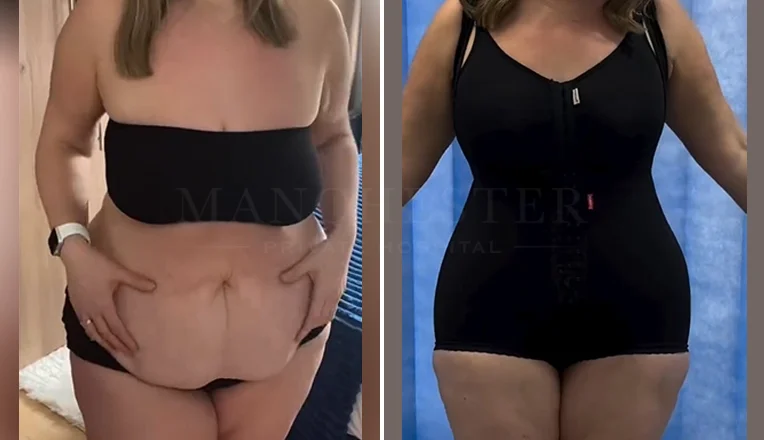
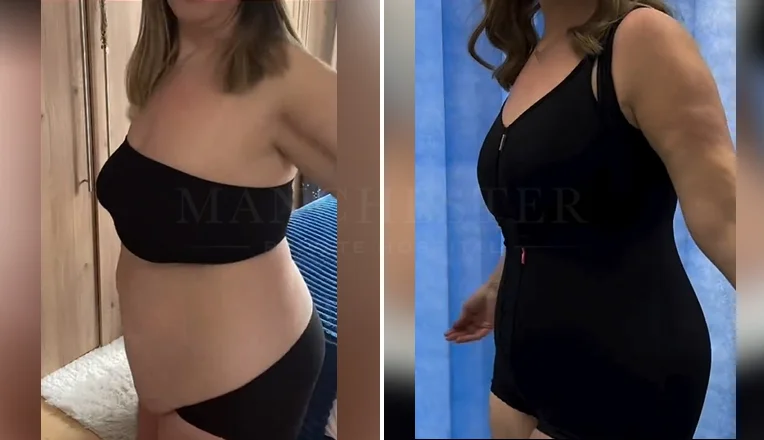
Tummy Tuck Before and After Gallery
Read Our Patient Reviews
Explore our reviews made by real patients
Meet Our Expert Surgeons
Get to know our highly experienced surgeons
Consultation Locations
We offer Consultations from a number of locations around the UK
Prices and finance
We have partnered with Chrysalis Finance, allowing patients to apply for cosmetic surgery finance for all our procedures
Related Articles




Consultation Locations
Manchester Hospital
Manchester Private Hospital New Court, Regents Place, Windsor
Street Salford, Greater Manchester, M5 4HB.