Surgery Time 2 Hours
Results Seen 1-3 Months
Back To Work 1-2 Weeks
Pain Level Moderate
HOSPITAL STAY Day Case
Cost From £6900*
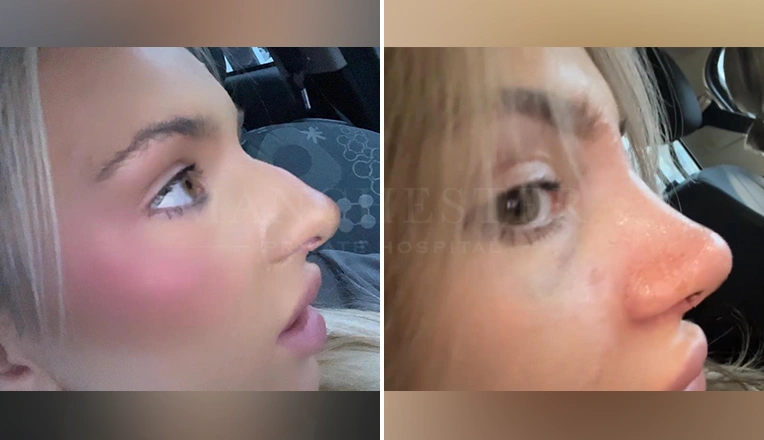
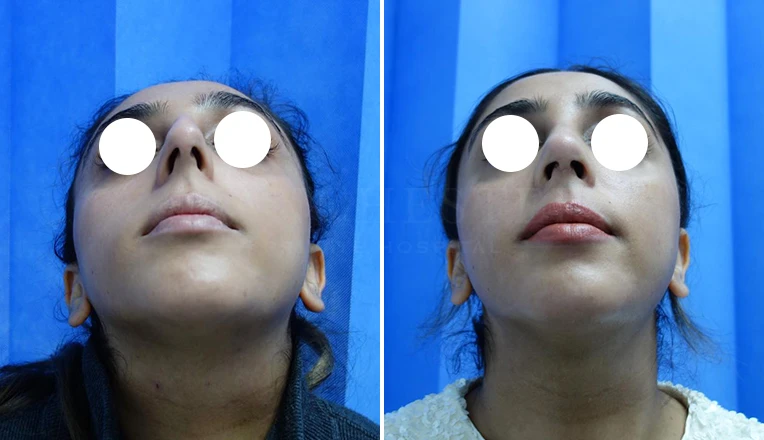
Rhinoplasty Before And After Gallery
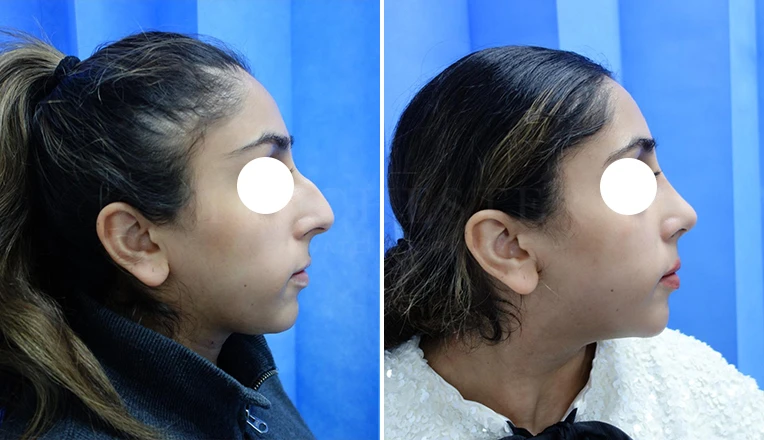
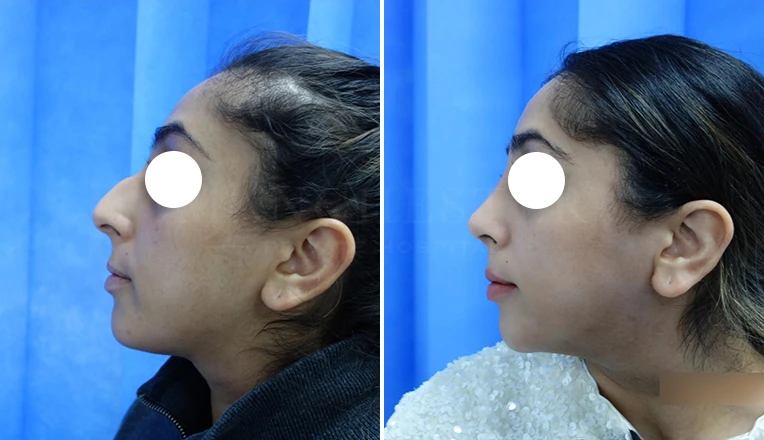
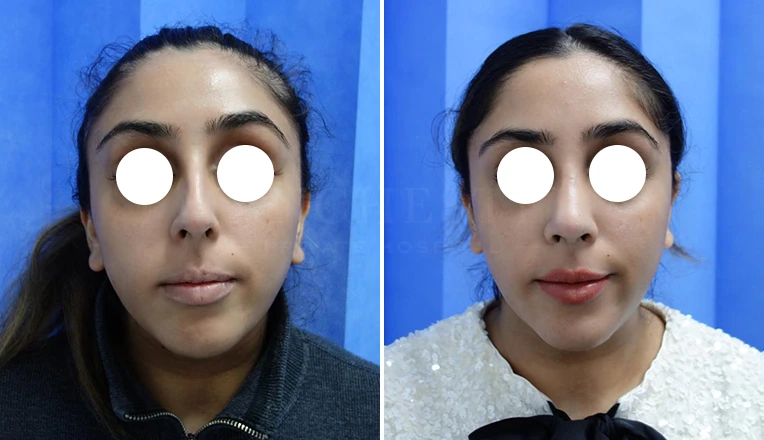
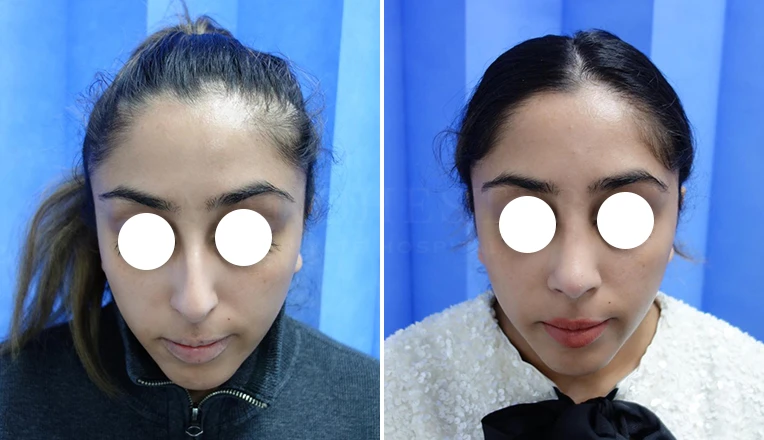
GMC Registered Surgeons
7500+ Happy Patients
Flexible Finance Options
CQC Registered Private Hospital
Medically reviewed by Mr Shivram Singh MBBS, FRCSI, FRCS (Plast), Medical Director & Lead,
Medical Advisory Committee for Manchester Private Hospital
Last Reviewed October 5th 2026
What Is Rhinoplasty Surgery?
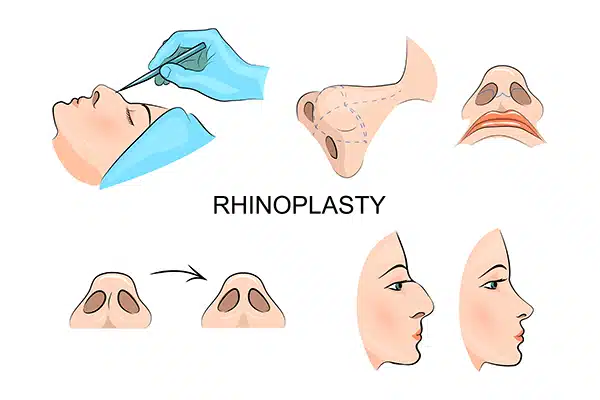
Rhinoplasty, also known as a nose job, is a surgical procedure that reshapes the nose for cosmetic or functional reasons, changing its size and / or shape in both males and females. This nose reshaping surgery is one of the most common cosmetic procedures in the UK and is often chosen by adults in Greater Manchester and nearby areas who want expert care for concerns about appearance, breathing, or both.
People who are unhappy with the size or shape of their nose often opt for nose job surgery to create better facial harmony and facial proportions, and one of the most common complaints from patients is that their nose seems out of alignment or that they are unhappy with their ‘side profile’.
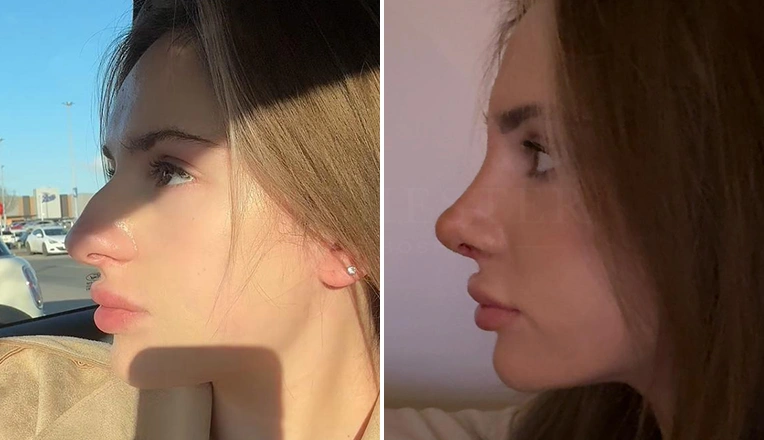
There are many different options and techniques when it comes to rhinoplasty, depending on the patients needs and goals, and treatment can improve appearance, improve nasal function, support better nasal breathing, and enhance overall facial aesthetics.
However, arranging a Rhinoplasty Consultation with a qualified nose specialist is the best way to review your aesthetic and functional goals, discuss your medical history, and decide whether or not you are a suitable candidate for Nose Reshaping Surgery.
Here, you can also learn about the types of rhinoplasty available, what recovery involves, possible risks and complications, aftercare, and practical points such as costs and finance options at Manchester Private Hospital.
Many factors are taken in to account and a specific individual assessment is carried out on each patient. Factors include; age, nose size, nose shape and skin condition.
It is also worth noting that decisions for nose surgery should not be taken lightly and that a full psychological assessment is carried out to ensure your reasons for treatment are appropriate, especially where patients are hoping for greater confidence or self-esteem as well as a physical change.
Why Choose Rhinoplasty?
There are many reasons why people choose to have surgery on their nose. Each reason can be categorised in to 2 main categories: medical and cosmetic. The two categories can also merge when patients have undergone surgery for medical reasons, such as a sports injury, but then been unhappy at the results some time later, and therefore opted for cosmetic correction.
People who undergo cosmetic rhinoplasty often have an issue with a particular part of their nose. The most common cosmetic areas are; the tip of the nose, and the bridge, or dorsum. The issues / complaints surrounding the bridge of the nose is that it has a bump / hump that sticks out.
People who are unhappy with the tip of their nose complain that their nose appears too wide / thin, too round or beaked.
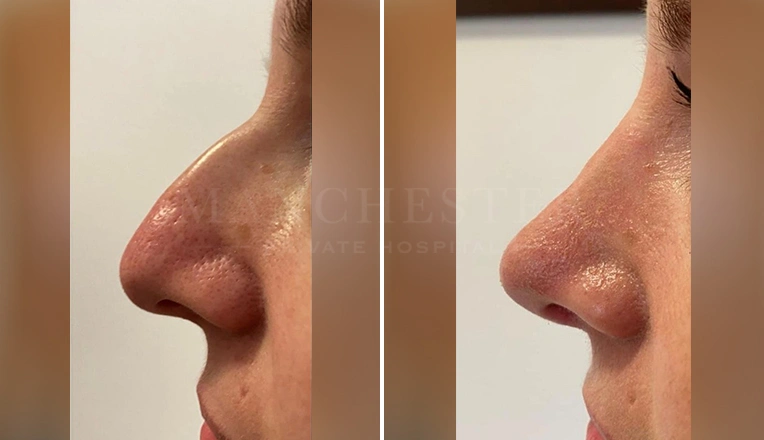
Length is also a common issue for some patients. Rhinoplasty that is carried out for medical purposes is often done so because of an injury to the nose. Accidents and sports injuries are two of the main culprits when it comes to medical rhinoplasty.
Issues with the nose can also impact on the quality of life of a patient such as; mental health and causing breathing problems.
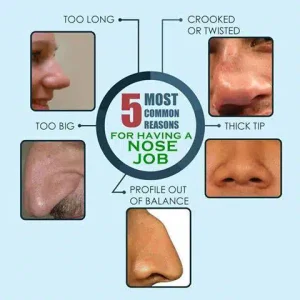
You may undergo rhinoplasty to:
- Change the length of your nose
- Change the width of the nose / nostrils
- Change the size of the nostrils
- Change the bump at the nose bridge
- Reposition your nose after accident / injury
About Different Types of Rhinoplasty
Surgery on the nose is carried out under general anaesthetic. You can speak to your consultant about the procedure as each patient is treated individually depending on their aim, nose size and shape, and options such as ethnic rhinoplasty can refine the nose while respecting the patient’s ethnic identity.
What rhinoplasty involve in practical terms is reshaping the bridge, refining the nasal tip, adjusting tip cartilages, improving tip support, and, where needed, correcting the nasal septum and nasal airways; this may include removing or reshaping bone and cartilage, and some cases use cartilage grafts.
The four most common procedures carried out are:
- To break the nose and change the shape of it, as well as the nostrils. During this procedure the cartilage is also rearranged, with the nasal bones and, where needed, the side nasal bone repositioned to create a narrower appearance.
- Making the nose bigger, also known as nose augmentation. This is performed by taking cartilage from other parts of the body, such as the septum, ear, or rib, to build up part of the nose. This process is commonly known as a graft.
- To change the angle or direction of the nose and the lips.
- Making the nose smaller, also known as nose reduction. During this procedure part of the bone or cartilage is removed.
Tip rhinoplasty is another focused option when only the nasal tip needs refinement.
Each operation mentioned above can involve either open or closed surgical techniques, which are the most common approaches:
- Open rhinoplasty – this open technique involves a small incision across the columella, allowing direct visibility of the nasal structures and giving the surgeon access to reshape underlying areas — ideal for more complex corrections and refinements.
For full details, read more about Open Rhinoplasty.
- Closed rhinoplasty – whereby incisions are made only inside the nostrils. This method is known to cause less swelling and does not leave visible scarring as cuts are inside the nose. However, closed rhinoplasty is not always an option.
For full details, read more about Closed Rhinoplasty.
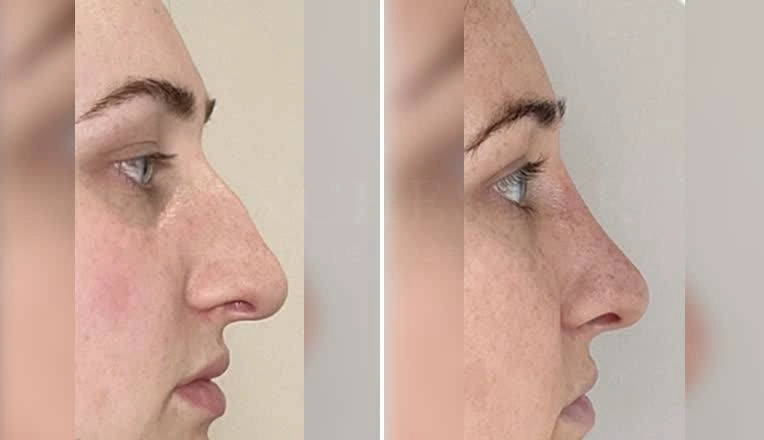
If you are concerned about what happens to the skin on your nose during and post-surgery, speak to your consultant. However skin on the nose is very adaptable and can expand or shrink to its new shape.
Overall, rhinoplasty surgery typically takes 1.5 to 3 hours to complete, depending on the overall length of the procedure. Patients would expect to stay in hospital for 1-3 nights for immediate recovery and aftercare, although more complex cases such as reconstructive surgery may alter planning or recovery expectations.
Recovery
After you undergo surgery on your nose, you will need ample time off work, school, and normal activities to rest and recover. Patients should expect to have around 1 to 2 weeks off work or school.
However, patients usually notice changes within the first few weeks, while full results and the final contours of the nose can take up to 12 months to settle.
Following surgery and your stay in hospital, you will leave with dressings on your nose and in each nostril.
A splint is usually worn over your nose for seven to ten days post-surgery, and you may be unable to breathe through your nose at first.
Regular painkillers are provided to ease any discomfort or pain, and most patients find this is mild to moderate.
Although your surgeon will advise you on the necessary aftercare in a recovery plan tailored to you, driving is often ruled out for all patients post-surgery. Patients will be able to drive within 4-5 days on average.
What to expect in recovery:
- After 5-7 days your stitches are typically removed, unless your surgeon used dissolvable stitches.
- Most swelling, bruising, or redness settles within 4-6 weeks, with swelling often improving noticeably by around three weeks, and you can then return to light activities, such as swimming.
- Patients should avoid strenuous activities for 2-3 weeks before returning gradually.
As with all surgery, it is important to rest and recover to make sure you get the most out of your procedure and not jeopardise the results.
You should aim to rest in bed for at least 2-3 days after you have returned home with your head propped up to help reduce swelling.
Patients are advised to avoid bathing in hot water, wetting the splint, blowing your nose and sneezing through your mouth. Not sneezing through your nose will keep pressure off it and aid recovery.
If possible, try to avoid areas that may be dusty or contain smoke and stay away from contact sports. Patients should also stop smoking several weeks before rhinoplasty to support healing.
Complications, Breathing Difficulties, And Side Effects
After undergoing surgery for the reshaping or resizing of your nose, most patients experience temporary side effects, while serious complications are uncommon.
These include:
- Your nose feeling numb or stiff, with numbness or altered sensation around the nasal area.
- Light nosebleeds.
- Blocked nose. Patients are required to breathe through their mouth for the first 7 to 10 days.
- Bruising and swelling around the eyes and nose. This can last up to 21 days.
- Soreness, which can be eased with painkillers.
- Scarring. Scars will be red following surgery but will fade over the next 6 to 12 months.
There are also complications associated with rhinoplasty, but they are rare. Common risks include bleeding, infection, and breathing difficulties. These include:
- Heavy bleeding – you may experience heavy or excessive bleeding immediately after surgery.
- Infection – this is not exclusive to rhinoplasty and all operations come with a risk of infection. If your wound gets infected you may need antibiotics.
- Blood clots
- Increased sensation
- Breathing trouble
- Altered sense of smell
- Asymmetry
You can find out more about the risks and complications related to nose surgery from our health professionals. Our team are on hand to answer any questions or concerns you may have and put your mind at rest.
Booking a consultation is a great way to get everything off your chest in a pressure-free environment with absolutely no obligation.
We put patients wellbeing and safety first and always ensure they are 100% happy with the decisions they make before proceeding.
Why Choose Us For Rhinoplasty?
At Manchester Private Hospital, we are the hub for the North West. Based in Manchester, we are easily accessible to all surrounding areas.
Our qualified surgeons, including experienced plastic surgeons, have been performing nose-jobs for many years with patient safety and well being at the heart of our ethics.
Patients can have a pressure-free consultation with our experts to ensure they are making an informed decision with specialist advice that is tailored to you personally, and a safe procedure depends on thorough planning and a clear discussion of risks before surgery.
When preparing for surgery, it is important to choose a qualified surgeon, check credentials such as the gmc specialist register, and discuss your medical history in full.
If after you walk away from your consultation you remember something you forgot to ask, simply contact us again and again until you have total peace of mind.
We prides ourselves on providing comprehensive aftercare with a flexible approach to ensure complete patient safety and satisfaction.
If you are ready to make the change in your life that you’ve always wanted, contact us today to speak with one of our experts about rhinoplasty.
Surgery does not have to be a daunting experience, our qualified professionals are trained to help you every step of the way from consultation to post-surgery aftercare.
Frequently Asked Questions
You will be required to wear a splint on your nose for seven to ten days, although some patients may need it for up to two weeks depending on their surgical plan.
You will be required to wear a splint on your nose for seven to ten days, although some patients may need it for up to two weeks depending on their surgical plan.
Generally, rhinoplasty is a common outpatient procedure or day-case surgery, which means you will be discharged the same day after your surgery. Occasionally, in some cases you will be asked to stay for 1- 2 days post surgery, which will be advised during your face to face consultation with the surgeon.
Generally, rhinoplasty is a common outpatient procedure or day-case surgery, which means you will be discharged the same day after your surgery. Occasionally, in some cases you will be asked to stay for 1- 2 days post surgery, which will be advised during your face to face consultation with the surgeon.
If you want Nose Reshaping to improve the appearance of your nose, or to improve nasal breathing and function, then rhinoplasty might be right for you. Rhinoplasty can improve both appearance and nasal function. Speak with a consultant to get all the facts and risks.
If you want Nose Reshaping to improve the appearance of your nose, or to improve nasal breathing and function, then rhinoplasty might be right for you. Rhinoplasty can improve both appearance and nasal function. Speak with a consultant to get all the facts and risks.
Many patients notice visible changes within the first few weeks after surgery, as early swelling starts to improve. However, desired results vary by procedure, and while refinement is often more apparent by around three weeks, it can take up to 12 months to see the full effects when swelling has subsided.
Many patients notice visible changes within the first few weeks after surgery, as early swelling starts to improve. However, desired results vary by procedure, and while refinement is often more apparent by around three weeks, it can take up to 12 months to see the full effects when swelling has subsided.
Patients report some mild pain, but mostly annoying sensations and discomfort. This can be managed with painkillers that will be prescribed.
Patients report some mild pain, but mostly annoying sensations and discomfort. This can be managed with painkillers that will be prescribed.
In some cases, Liquid Rhinoplasty may be an option for you. This uses injectable filler to make subtle improvements in shape or symmetry, but it cannot reduce the size of the nose.
If you only seek small adjustments to the nasal tip or profile, or are worried about committing to surgery, speak with a consultant about the possibility of non-surgical injections.
In some cases, Liquid Rhinoplasty may be an option for you. This uses injectable filler to make subtle improvements in shape or symmetry, but it cannot reduce the size of the nose.
If you only seek small adjustments to the nasal tip or profile, or are worried about committing to surgery, speak with a consultant about the possibility of non-surgical injections.
In 2026, the cost of a nose job in the UK can start from £6,730, though our pricing may vary and more complex procedures or highly experienced surgeons may charge up to £14,000. Costs also vary depending on the specific procedure performed.
We offer nose job financing options to help manage these costs. In cases involving revision rhinoplasty, surgery is usually more complex and therefore often more costly than primary surgery.
In 2026, the cost of a nose job in the UK can start from £6,730, though our pricing may vary and more complex procedures or highly experienced surgeons may charge up to £14,000. Costs also vary depending on the specific procedure performed.
We offer nose job financing options to help manage these costs. In cases involving revision rhinoplasty, surgery is usually more complex and therefore often more costly than primary surgery.
Rhinoplasty Finance Options
Manchester Private Hospital have collaborated with Chrysalis Finance to offer 0% finance for our patients.*
1. 0% Interest Free Finance for Rhinoplasty (Monthly Payment Plans)
Rhinoplasty cost: £6900
Deposit amount: £0.00
The amount of loan would be: £6900
Total interest: £0.00
12 monthly instalments of £575
The representative APR is 0%
The total amount payable: £6900
2. Rhinoplasty Finance Option with Interest (APR 9.9%)
Rhinoplasty cost: £6900
Total amount of Credit £6,900.
Total charge for credit £1794.60.
Total Amount Repayable £8694.60.
Repayable by 60 monthly payments of £144.91.
Representative 9.9% APR.
- Rhinoplasty closed start from £6,900
- Rhinoplasty open start from £7,999
- Rhinoplasty Tip (GA/DC) start from £4,900
- Rhinoplasty Septo/Secondary/Open start from £11,900
*Acceptance is subject to status. Terms and conditions apply.
All our surgeries are tailored to individual patient requirements, and you will receive a fixed price following your consultation with the surgeon during your face to face consultation.
*Procedure prices are not fixed and may vary as procedure costs are tailored to individual requirements so vary from person to person. You will receive a guide price during your initial eConsult and a fixed price following your surgeon face to face consultation.
Meet Our Surgeons