
Medically reviewed by Mr Shivram Singh MBBS, FRCSI, FRCS (Plast), Medical Director & Lead,
Medical Advisory Committee for Manchester Private Hospital
Last Reviewed April 21st 2026
This Article Covers:
- What Is Lipoedema?
- What Is Lipoedema Fat?
- Is It Lipoedema or Just Fat Legs?
- Common Symptoms That Can Suggest Lipoedema
- Lipoedema vs Normal Fat: What Is the Difference?
- Could It Be Something Else Besides Fat?
- Do I Have Lipoedema or Just Fat Legs? When to Seek Advice
- How Is Lipoedema Managed?
- Why the Right Diagnosis Matters
- Frequently Asked Questions
- Final Thoughts
If you have ever looked at your legs and wondered whether they are simply naturally fuller or whether something else may be going on, you are not alone. This is one of the most common questions people ask when their legs feel disproportionately large, heavy, tender or difficult to change despite weight loss efforts.
The important thing to know is that not all fuller legs mean lipoedema. Many people naturally store more fat in their lower body, and that can be completely normal. But in some cases, symptoms such as pain, tenderness, easy bruising, a symmetrical build-up in both legs, and feet that seem unaffected can point towards lipoedema rather than ordinary fat distribution.
This guide explains the difference in a clear, practical way. It is not a tool for self-diagnosis, but it can help you understand what signs may be worth discussing with a healthcare professional.
What Is Lipoedema?
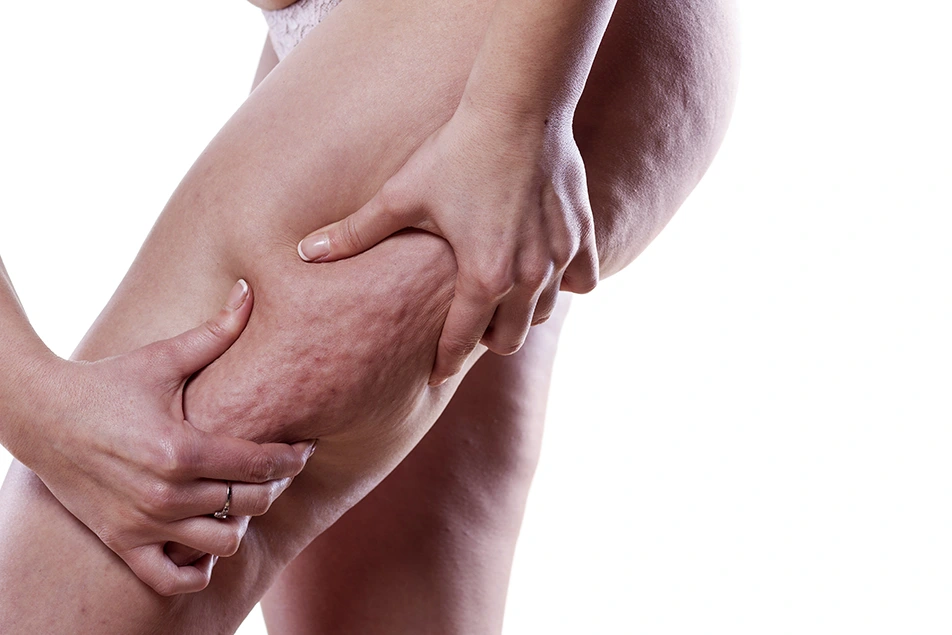
Lipoedema is a long-term condition involving an abnormal build-up of fat, usually in the legs and sometimes in the arms. It commonly affects both sides of the body in a similar way, and it is much more common in women. People with lipoedema may also experience pain, tenderness, heaviness and easy bruising in the affected areas.
One reason lipoedema is often misunderstood is that it can be mistaken for simple weight gain. From the outside, the legs may just look larger. But for many patients, the issue is not only size. It is also the pattern of fat distribution and the way the tissues feel and behave.
What Is Lipoedema Fat?
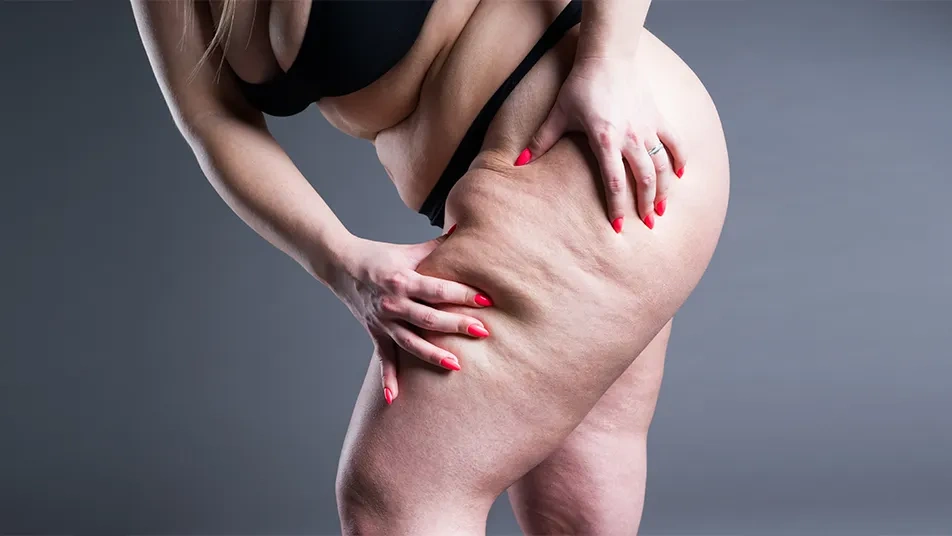
When people talk about “lipoedema fat,” they usually mean fat that seems different from normal weight gain. It often appears in a distinct pattern, especially around the hips, thighs and lower legs, and may look out of proportion with the upper body. Some patients notice that the tissue feels soft, uneven or nodular, and NHS patient information has described it as sometimes feeling like rice, peas or walnuts beneath the skin.
This does not mean every uneven or dimpled leg texture is lipoedema. It simply means that texture, tenderness and distribution can all form part of the picture.
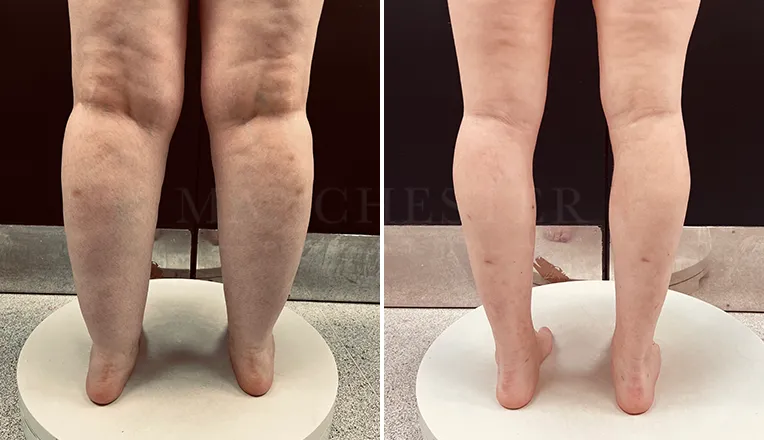
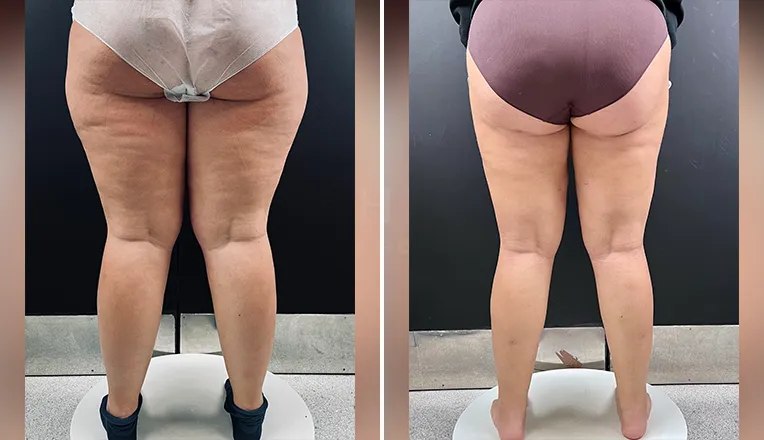
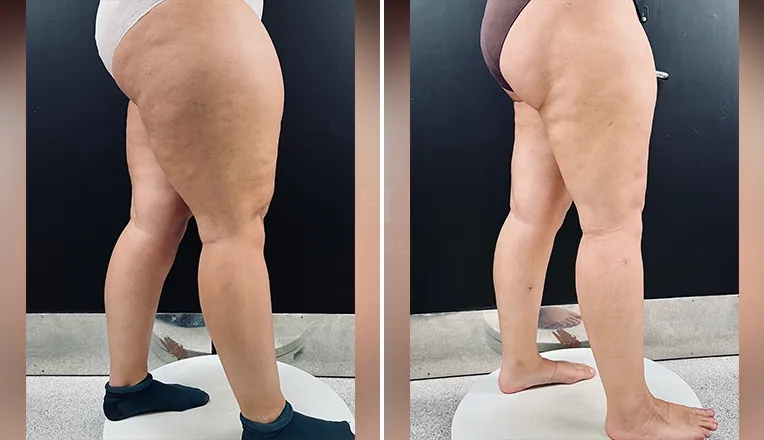
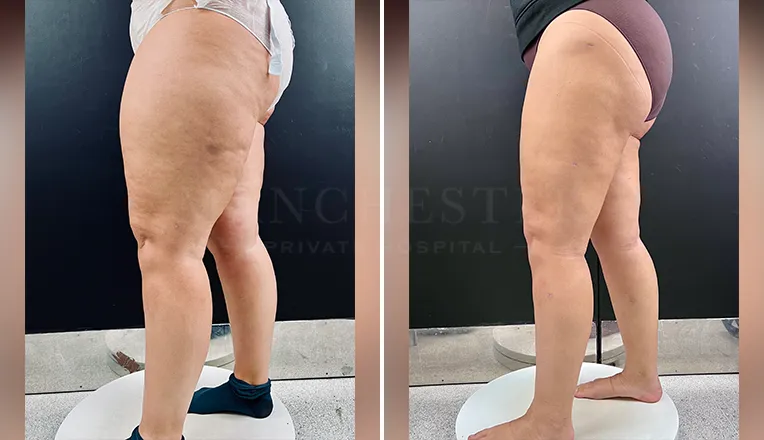
Lover Leg Lipoedema Liposuction | 6 months post op
Is It Lipoedema or Just Fat Legs?
This is the question most patients really want answered. The truth is that fuller legs can happen for many reasons. Some people naturally carry more weight in the lower body. Others may have gained weight more generally. And some may have swelling or another condition that affects the legs.
If the fullness is simply part of your natural fat distribution, it is more likely to be spread in a way that matches the rest of your body. It is less likely to be especially painful, tender or easy to bruise. The feet are also usually affected in the same general way as the legs if the issue is ordinary weight gain.
By contrast, lipoedema tends to have a more recognisable pattern. The legs may look disproportionately larger than the upper body, both sides are often affected similarly, and the feet are often spared. Some people also notice a cuff-like change near the ankles, along with heaviness, aching, tenderness and easy bruising.
That combination of symptoms is often what prompts people to ask whether it is really “just fat legs” or something more specific.
Common Symptoms That Can Suggest Lipoedema
Lipoedema can look different from person to person, but certain symptoms come up again and again. Pain or tenderness in the legs is common. Easy bruising is another strong clue, especially when bruises seem to appear without much impact. Many people also describe their legs as feeling heavy, aching or tiring more easily when standing or walking.
Some patients notice that the tissue feels unusually soft or irregular under the skin. Others find that the affected areas do not change much even when they lose weight overall.
It is this combination of symptoms, rather than one feature alone, that can make lipoedema worth considering.
Lipoedema vs Normal Fat: What Is the Difference?
The biggest difference is not simply how much fat is present, but how it is distributed and what symptoms come with it.
With normal fat distribution, body fat usually follows your overall body shape and tends to reduce to some degree with general weight loss. It is not usually painful to touch, and it does not normally bruise easily without a reason.
With lipoedema, the fat often collects in a more distinctive pattern, especially in the hips, thighs and lower legs. The tissue may feel tender, and bruising can happen more easily. The feet are often not involved, which can make the lower leg look enlarged above the ankle. Some people also notice that the affected areas are stubborn and do not respond as expected to dieting or exercise, even if the rest of the body changes.
This is why comparing lipoedema with normal fat can be so helpful. The issue is not just appearance. It is also about symptoms, pattern and behaviour.
Could It Be Something Else Besides Fat?
Yes. Not every case of large or heavy legs is due to normal fat or lipoedema.
Lymphoedema, for example, is a different condition involving the lymphatic system and fluid build-up. NHS guidance says lymphoedema typically causes swelling in all or part of a limb and may feel soft and pitting at first, leaving a dent when pressed.
Other forms of oedema and swelling can also affect the legs. This matters because people sometimes assume any lower-body enlargement must be fat-related, when in reality there may be a separate cause that needs different treatment. One reason clinicians pay attention to whether the feet are affected is that this can help distinguish lipoedema from some other causes of leg swelling.
Do I Have Lipoedema or Just Fat Legs? When to Seek Advice
If your legs have always been naturally fuller but are not painful, tender or unusually easy to bruise, it may simply reflect your body shape. But if you are noticing a combination of disproportionate enlargement, aching, tenderness, heaviness, easy bruising, or little change in the legs despite weight loss elsewhere, it is worth seeking professional advice.
NHS advice says you should see a GP if you have symptoms of lipoedema or unexplained swelling in your legs, ankles or feet.
That does not mean you should assume the worst. It simply means that persistent symptoms deserve proper assessment rather than guesswork based on internet images or social media comparisons.
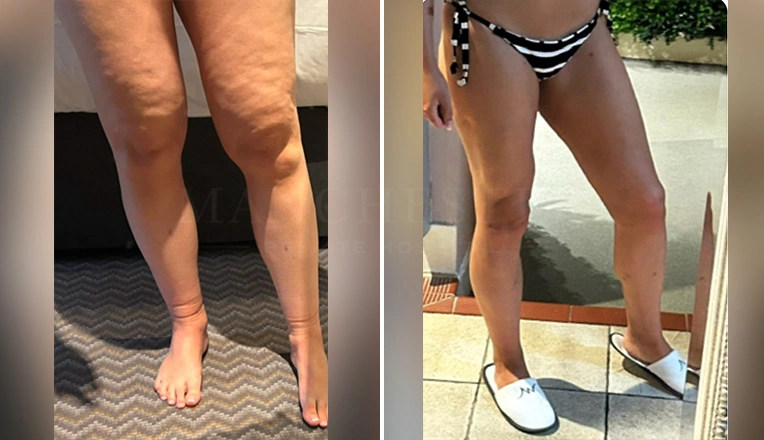
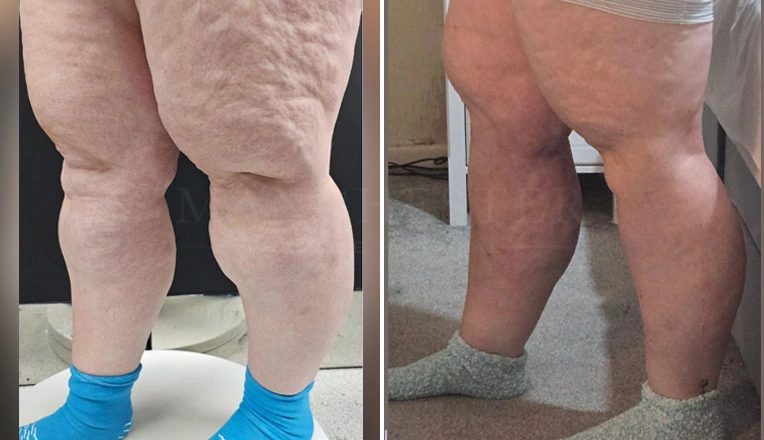
Lipoedema Liposuction | 8 months post op
How Is Lipoedema Managed?
Lipoedema is usually managed by focusing on symptom control, comfort, mobility and day-to-day support rather than a single quick fix. Treatment often depends on how severe the condition is, whether swelling is present, and how much it is affecting your quality of life.
For many patients, management starts with conservative support such as compression therapy, movement, skin care and self-management advice. Healthy lifestyle habits still matter, although the affected areas may not respond to weight loss in the same way as normal body fat.
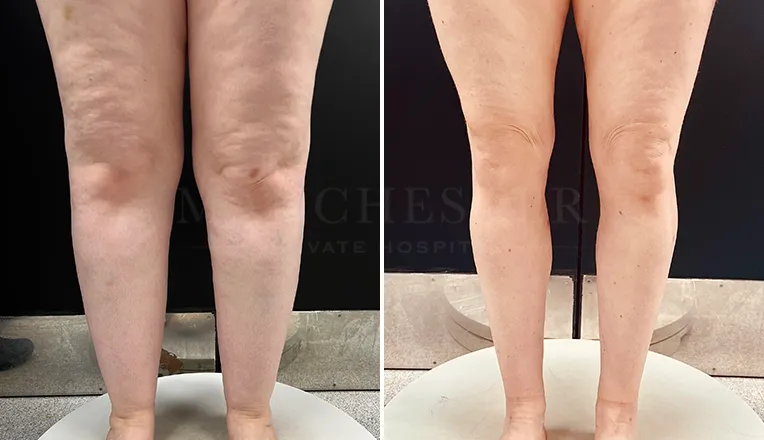
In some more severe cases, lipoedema liposuction may be considered as part of specialist lipoedema treatment. This is not routine cosmetic liposuction, and suitability should always be assessed carefully so the most appropriate management plan can be recommended.
Exploring real lipoedema liposuction results can also help you better understand what may be achievable and why a personalised treatment plan is so important.
Why the Right Diagnosis Matters
Being told that your legs are “just fat” when they are painful, heavy and bruising easily can be distressing. Equally, assuming you have lipoedema without proper assessment can also lead to confusion and unnecessary worry.
The right diagnosis matters because it shapes what support, advice and treatment options may be appropriate. It also helps patients make sense of what they are experiencing.
When symptoms are persistent, unexplained or affecting confidence, comfort or mobility, getting clarity can be a major step forward.
Frequently Asked Questions
What is lipoedema fat?
Lipoedema fat refers to the abnormal fat build-up seen in lipoedema, usually in the legs and sometimes the arms. It is often associated with tenderness, heaviness, easy bruising and a pattern that is out of proportion with the upper body.
How do I know if it is lipoedema or just fat legs?
You cannot confirm this by appearance alone. Signs that may suggest lipoedema include symmetry, pain, tenderness, easy bruising, heaviness and feet that are not usually affected.
Are feet affected in lipoedema?
No, the feet are not usually affected in lipoedema. This is one of the signs that can help distinguish it from some other causes of leg swelling.
Is lipoedema painful?
Yes, lipoedema can be painful. Many people experience tenderness, aching, heaviness or discomfort in the affected areas.
Does lipoedema respond to weight loss?
Some people find the affected areas show only limited improvement even when they lose weight elsewhere.
Final Thoughts
If you have been wondering whether it is lipoedema or just fat legs, the answer is not always obvious from appearance alone. Fuller legs can be completely normal, but when size comes with pain, heaviness, tenderness, bruising or a very specific pattern, it may be worth looking into more carefully.
The most helpful next step is not self-diagnosis. It is getting proper advice, especially if your symptoms are affecting your confidence, comfort or daily life.
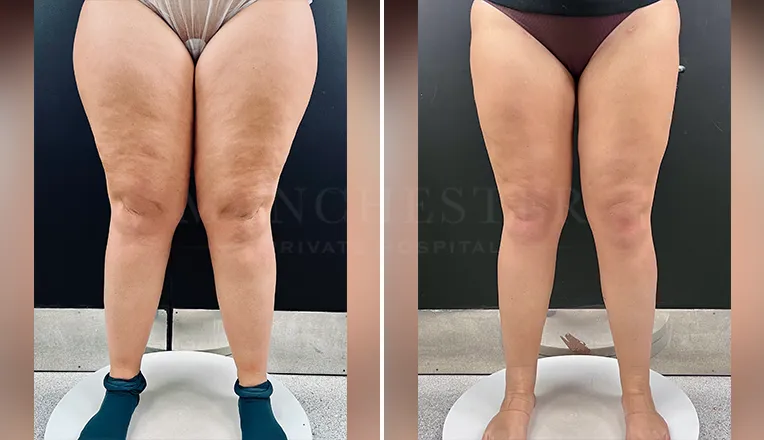
Lipedema Liposuction Before and After Gallery
Read Our Patient Reviews
Explore our reviews made by real patients
Meet Our Expert Surgeons
Get to know our highly experienced surgeons
Consultation Locations
We offer Consultations from a number of locations around the UK
Prices and finance
We have partnered with Chrysalis Finance, allowing patients to apply for cosmetic surgery finance for all our procedures
Related Articles


Consultation Locations
Manchester Hospital
Manchester Private Hospital New Court, Regents Place, Windsor
Street Salford, Greater Manchester, M5 4HB.