Lipedema Legs Liposuction Before And After Gallery
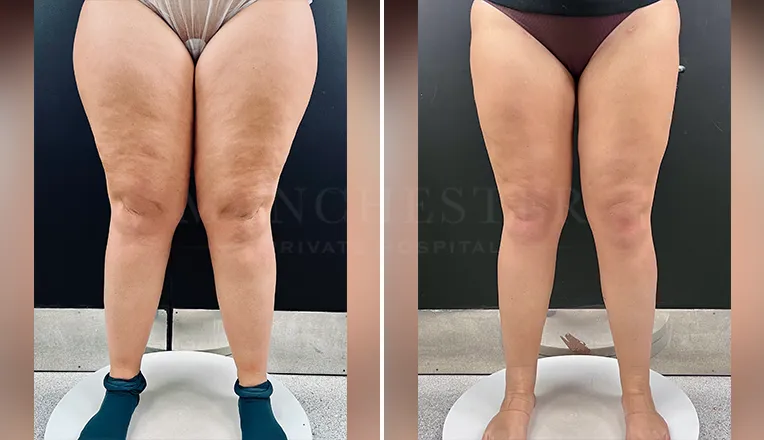
Lipoedema
Stage 1, Type 3
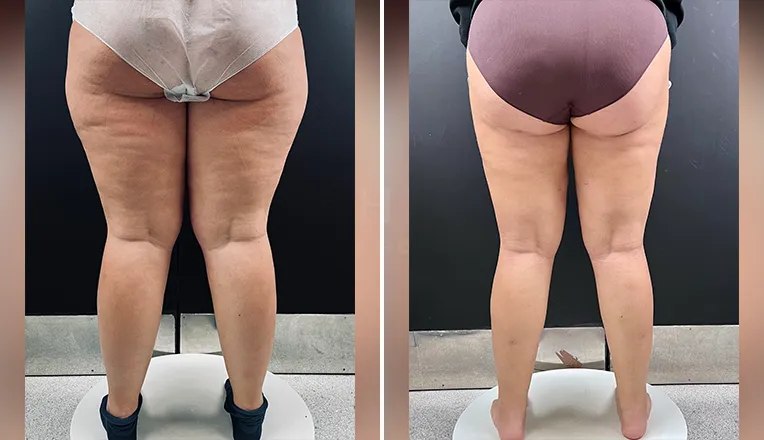
Lipoedema
Stage 1, Type 3
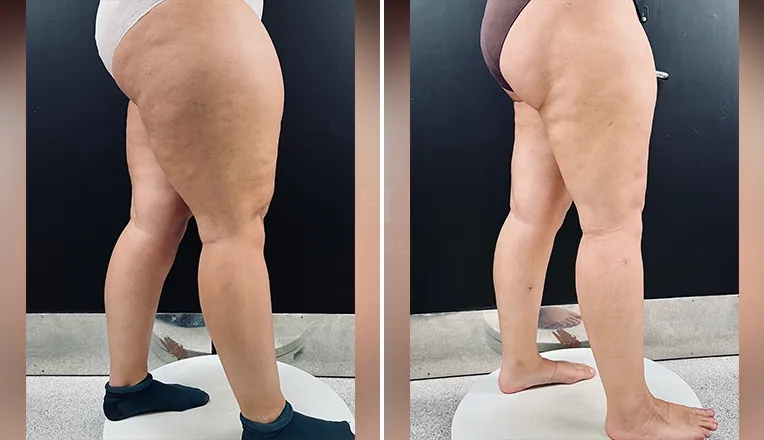
Lipoedema
Stage 1, Type 3
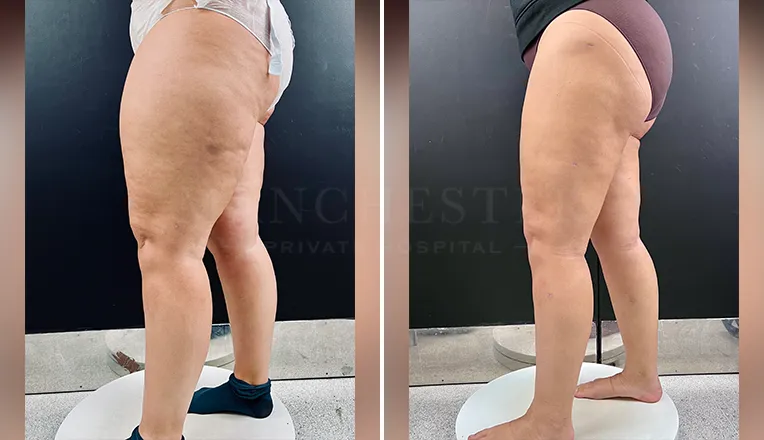
Lipoedema
Stage 1, Type 3
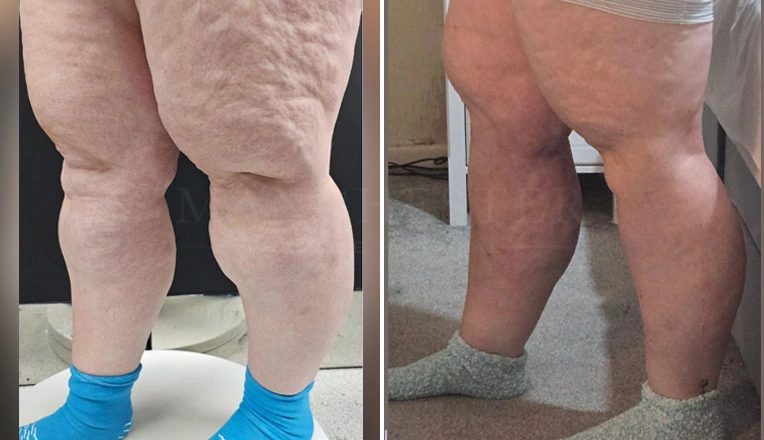
Lover Leg Lipoedema Liposuction
6 months post op
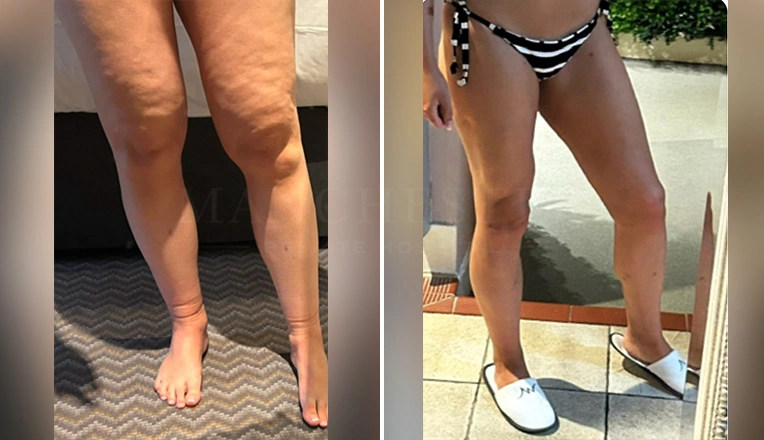
Lipoedema Liposuction
8 months post op
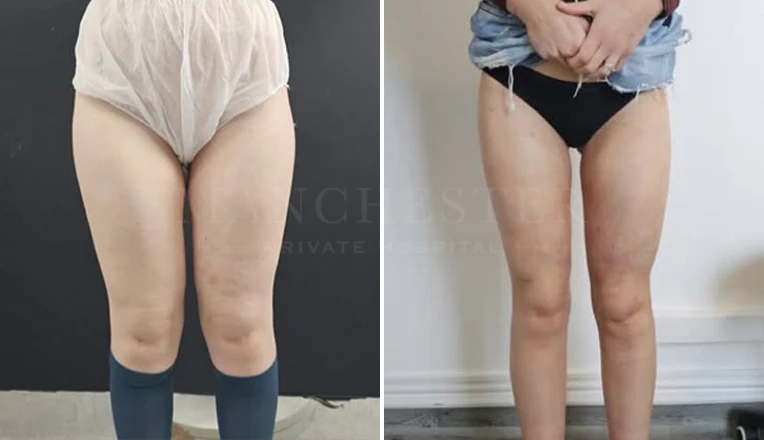
Lipoedema Liposuction
6 weeks post op
GMC Registered Surgeons
7500+ Happy Patients
Flexible Finance Options
CQC Registered Private Hospital

Medically reviewed by Mr Shivram Singh MBBS, FRCSI, FRCS (Plast), Medical Director & Lead,
Medical Advisory Committee for Manchester Private Hospital
Last Reviewed October 1st 2026
Lipedema surgery in the UK is available at Manchester Private Hospital, where we assess and treat lipedema legs with advanced surgical options designed to remove stubborn lipedema fat, relieve discomfort, and improve leg shape.
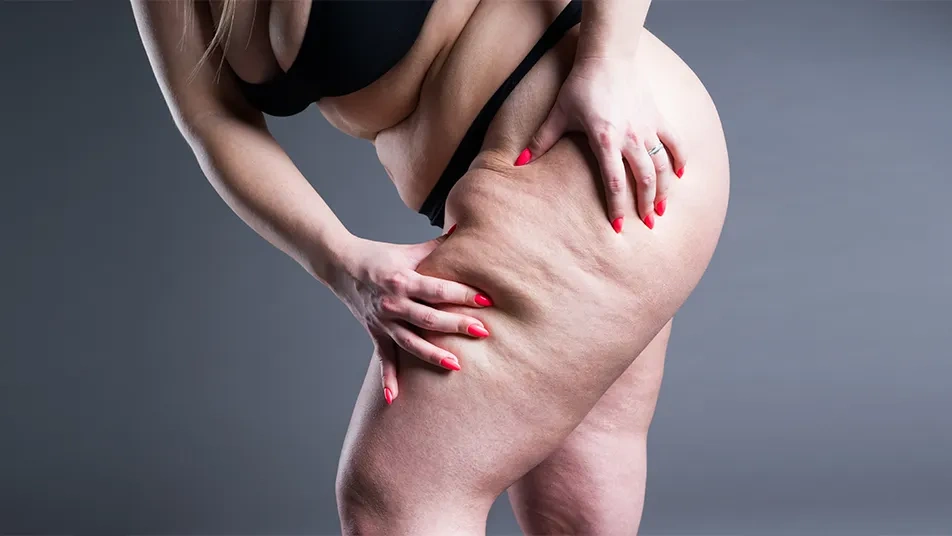
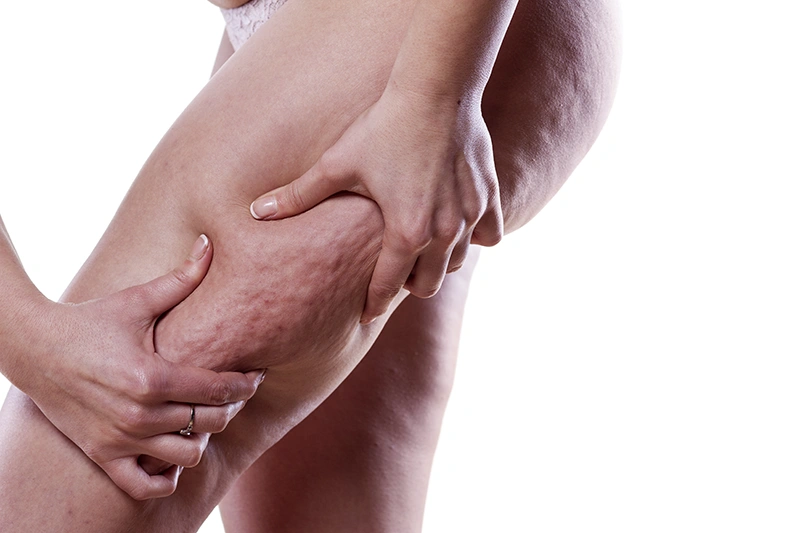
Lipedema legs (also spelled lipoedema legs) is a chronic condition where fat deposits accumulate disproportionately in the lower body—typically from hips down to ankles—while sparing the feet. Unlike ordinary weight gain, this fat is tender, prone to bruising, and resistant to diet or exercise.
For people in the UK living with painful, heavy legs and looking for expert diagnosis and treatment, we offer personalised assessment and tailored care at our Manchester hospital. This page explains the key signs and causes of lipedema, how it is diagnosed, non-surgical management such as compression therapy, surgical treatment including lipedema liposuction, expected outcomes, and why many patients choose Manchester Private Hospital to improve comfort, mobility, and quality of life.
Recognising Lipedema Legs Symptoms
Key lipedema legs symptoms include:
- Pain and tenderness when pressing on the affected areas
- Easy bruising with minimal impact
- Symmetrical fat distribution on both legs, creating a column-like shape
- Skin that feels cold and nodular beneath the surface
Early recognition allows for timely management, slowing progression and reducing discomfort.
Lipedema or Just Fat Legs?
Wondering if it’s lipedema or just fat legs? Unlike regular fat:
- Lipedema fat spares the feet, resulting in a distinct cuff at the ankles
- The tissue feels rubbery or nodular, not soft and pliable
- Swelling persists even after rest or elevation
If you notice these signs, a specialist evaluation is the next step.
Causes and Progression of Lipedema in Legs
The exact cause of lipedema in legs remains unclear, but it primarily affects women and genetic factors, along with hormonal changes around puberty, pregnancy, and menopause, appear to play a substantial role.
Lipoedema was first described in the 1940s, and in lipoedema uk it is estimated to affect around 11% of women, with many cases remaining undiagnosed.
Over time, untreated lipedema can progress through stages of increasing fat nodules and discomfort, sometimes leading to secondary fluid retention (lipo-lymphoedema).
Many medical professionals still lack knowledge about lipoedema, which contributes to delayed recognition and means 11% of women suffer from undiagnosed lipoedema.
Conservative Management & Compression Therapy
Early-stage lipedema legs treatment focuses on non surgical treatments that help reduce symptoms:
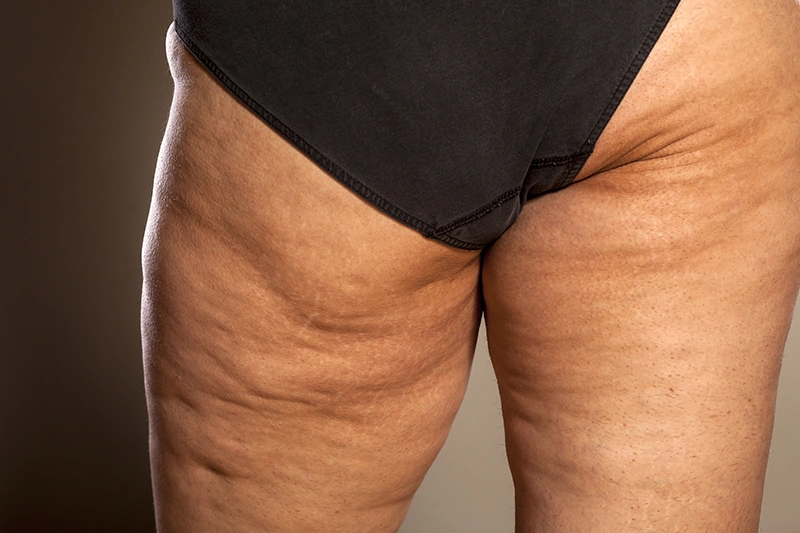
- Lipedema compression leggings (class II or III) support lymphatic flow and reduce pain
- Manual lymphatic drainage and specialised massage
- Low-impact activities (swimming, walking) to support weight management and overall health
- A healthy diet, including an anti inflammatory diet approach, can help control swelling
These measures ease daily discomfort but do not remove the underlying fat. Conservative treatment is usually recommended for at least six months before considering surgical treatment.
Living with lipoedema can also affect emotional health, and counselling, peer support, self-compassion, and body acceptance can help lipoedema patients cope.
Lipedema Legs Treatment: Surgical Options
When conservative measures aren’t enough, lipoedema surgery in the UK can offer life-changing relief for patients whose symptoms persist after non-surgical care.
Our specialist Lipoedema Liposuction includes tumescent liposuction, where anaesthetic fluid with local anaesthetic is injected before removing excess fat, helping to minimise blood loss, and water assisted liposuction can support precise fat removal with less trauma to surrounding tissue while preserving the lymphatic system, blood vessels, and affected fatty tissue.
Unlike traditional liposuction, lymph sparing liposuction is often preferred when treating lipoedema.
Extensive areas may need liposuction treatment in multiple stages, and power-assisted methods may also be used, with a vibrating cannula helping fat removal during some cases.
Surgeons at Manchester Private Hospital tailor every procedure to your unique anatomy and stage of lipoedema for optimal outcomes.
Eligibility for lipoedema surgery usually requires a confirmed diagnosis, and as NHS funding is rarely available, many patients seek non cosmetic liposuction privately.
Before & After: Real Patient Results
See the real-world impact of our specialised treatments—view our Lipedema Liposuction Before and After Gallery to explore authentic patient transformations, including personal testimonials and real outcomes showing how patients experience enormous benefits.

Image Credit: @chloeanneox1
87% of lipoedema patients report improved quality of life post-treatment, and 92% of women reported reduced size and swelling after liposuction.
Lipoedema Treatment Success: Chloe's Life-Changing Journey
Why Choose Manchester Private Hospital
- Specialist Expertise: Experienced cosmetic surgeons with specialist expertise in lipoedema liposuction
- Comprehensive Care: From diagnosis to compression garments fitting and aftercare
- Modern Facilities: CQC-approved clinic with dedicated support teams
- Patient-Centred Approach: Personalised treatment plans and follow-up
- Rated Excellent on Trustpilot with 1700+ Reviews
- Rated Good on CQC
- Rated 4.9 on Doctify
Book Your Consultation
If you’re ready to improve your lipedema leg symptoms and move beyond the lipoedema struggle, schedule a personalised consultation with our Manchester team. Let us help you reduce symptoms, achieve smoother, more comfortable legs, and improve your quality of life.
Frequently Asked Questions
At Manchester Private Hospital, our specialists use comprehensive physical examinations and medical history assessments to diagnose Lipedema accurately, with diagnosis confirmed through specialist assessment because the condition is commonly confused with other issues. Seeing a lipoedema specialist helps ensure an accurate diagnosis and more appropriate treatment planning.
At Manchester Private Hospital, our specialists use comprehensive physical examinations and medical history assessments to diagnose Lipedema accurately, with diagnosis confirmed through specialist assessment because the condition is commonly confused with other issues. Seeing a lipoedema specialist helps ensure an accurate diagnosis and more appropriate treatment planning.
No—lipedema involves an abnormal accumulation of painful fat cells, typically in a symmetrical pattern, and this tissue is resistant to diet and exercise.
No—lipedema involves an abnormal accumulation of painful fat cells, typically in a symmetrical pattern, and this tissue is resistant to diet and exercise.
Lipedema generally progresses slowly, over several years or decades. Early treatment can significantly delay or reduce progression.
Lipedema generally progresses slowly, over several years or decades. Early treatment can significantly delay or reduce progression.
Procedures such as Vaser liposuction typically involve minimal discomfort because local anaesthetic is used to numb the treatment area, alongside local anaesthesia and sedation, ensuring patient comfort throughout.
Procedures such as Vaser liposuction typically involve minimal discomfort because local anaesthetic is used to numb the treatment area, alongside local anaesthesia and sedation, ensuring patient comfort throughout.
Typically, lipedema affects both legs equally and usually affects the lower body more than the upper body. It often involves the lower legs, and in some cases can also affect the upper arms. Significant imbalance may suggest another issue and should be checked by a specialist.
Typically, lipedema affects both legs equally and usually affects the lower body more than the upper body. It often involves the lower legs, and in some cases can also affect the upper arms. Significant imbalance may suggest another issue and should be checked by a specialist.
Without proper care, lipedema usually worsens over time. Early diagnosis and ongoing management help control progression.
Without proper care, lipedema usually worsens over time. Early diagnosis and ongoing management help control progression.
Progression varies individually, influenced by hormones, lifestyle, and genetics. Regular monitoring and early intervention help slow it down.
Progression varies individually, influenced by hormones, lifestyle, and genetics. Regular monitoring and early intervention help slow it down.
Yes—medical-grade leggings reduce swelling and ease pain, improving daily comfort.
Yes—medical-grade leggings reduce swelling and ease pain, improving daily comfort.
Most patients return to light activity within days, with full results visible in 3–6 months. You will usually need to wear compression garments for up to 3 months after surgery to support healing.
Fluid leakage from the incision sites usually settles within 48 hours, and mild bruising typically improves after about 2 weeks. Some post operative swelling can last 1–3 months, and several patients still require conservative measures after surgery.
Most patients return to light activity within days, with full results visible in 3–6 months. You will usually need to wear compression garments for up to 3 months after surgery to support healing.
Fluid leakage from the incision sites usually settles within 48 hours, and mild bruising typically improves after about 2 weeks. Some post operative swelling can last 1–3 months, and several patients still require conservative measures after surgery.
While Lipedema fat removal is permanent, maintaining a healthy lifestyle is essential to prevent additional fat accumulation.
While Lipedema fat removal is permanent, maintaining a healthy lifestyle is essential to prevent additional fat accumulation.
Yes, Lipedema surgery significantly reduces pain, swelling, and heaviness, markedly improving mobility and quality of life.
Yes, Lipedema surgery significantly reduces pain, swelling, and heaviness, markedly improving mobility and quality of life.
Yes, we provide flexible financing options to ensure treatment accessibility for our patients.
Yes, we provide flexible financing options to ensure treatment accessibility for our patients.